
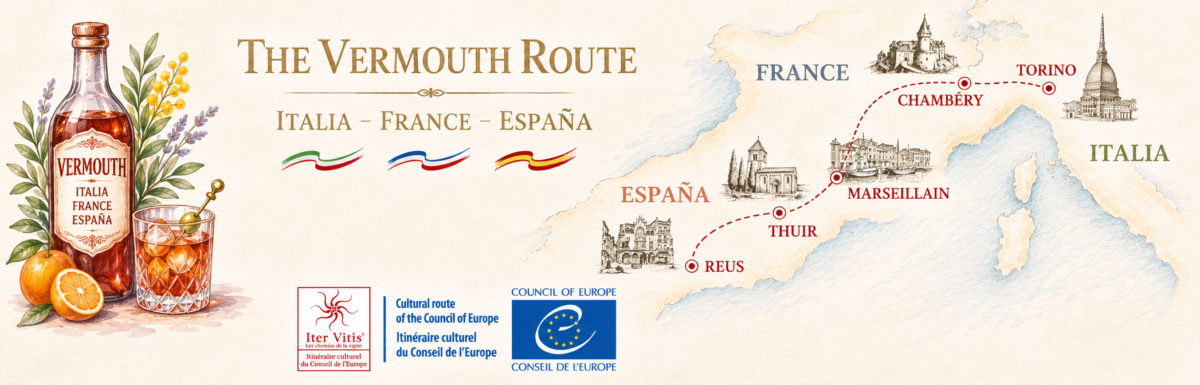
The Vermouth Route

The Project
THE VERMOUTH ROUTE
A Shared Heritage Across Three Landscapes
Vermouth is rarely treated as a subject in its own right. It appears on menus as an ingredient, in bars as an aperitif, in cellars as a footnote to wine , yet few beverages carry as dense a layer of history, craftsmanship, and territorial identity.
Iter Vitis, together with the Associazione dei Caffè Storici di Torino e del Piemonte, the town of Reus, and the French association of aperitif wines, has chosen to bring that history into focus by building a route dedicated entirely to vermouth: not as a single product, but as a family of traditions shaped by different landscapes and united by a common gesture.
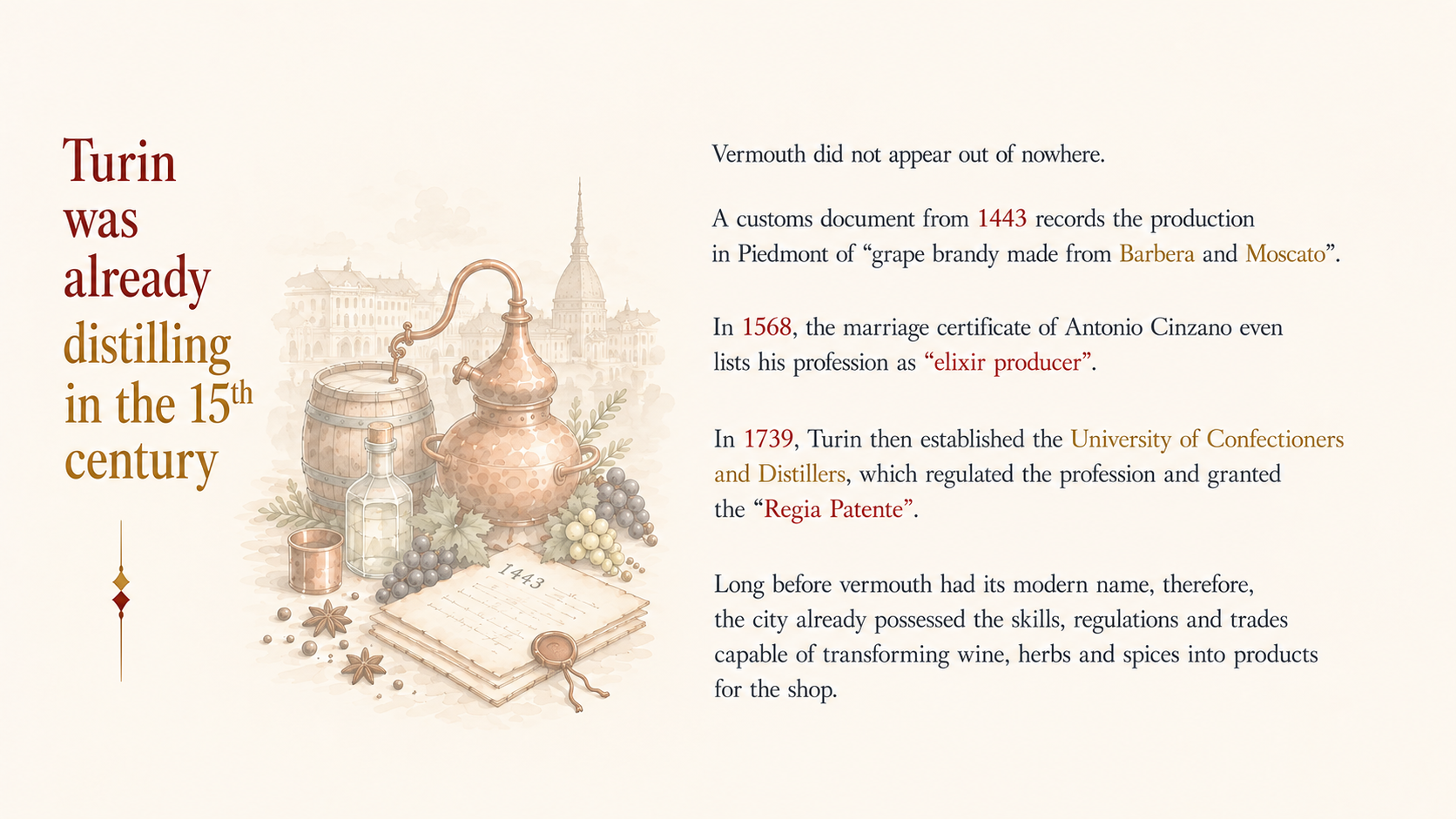
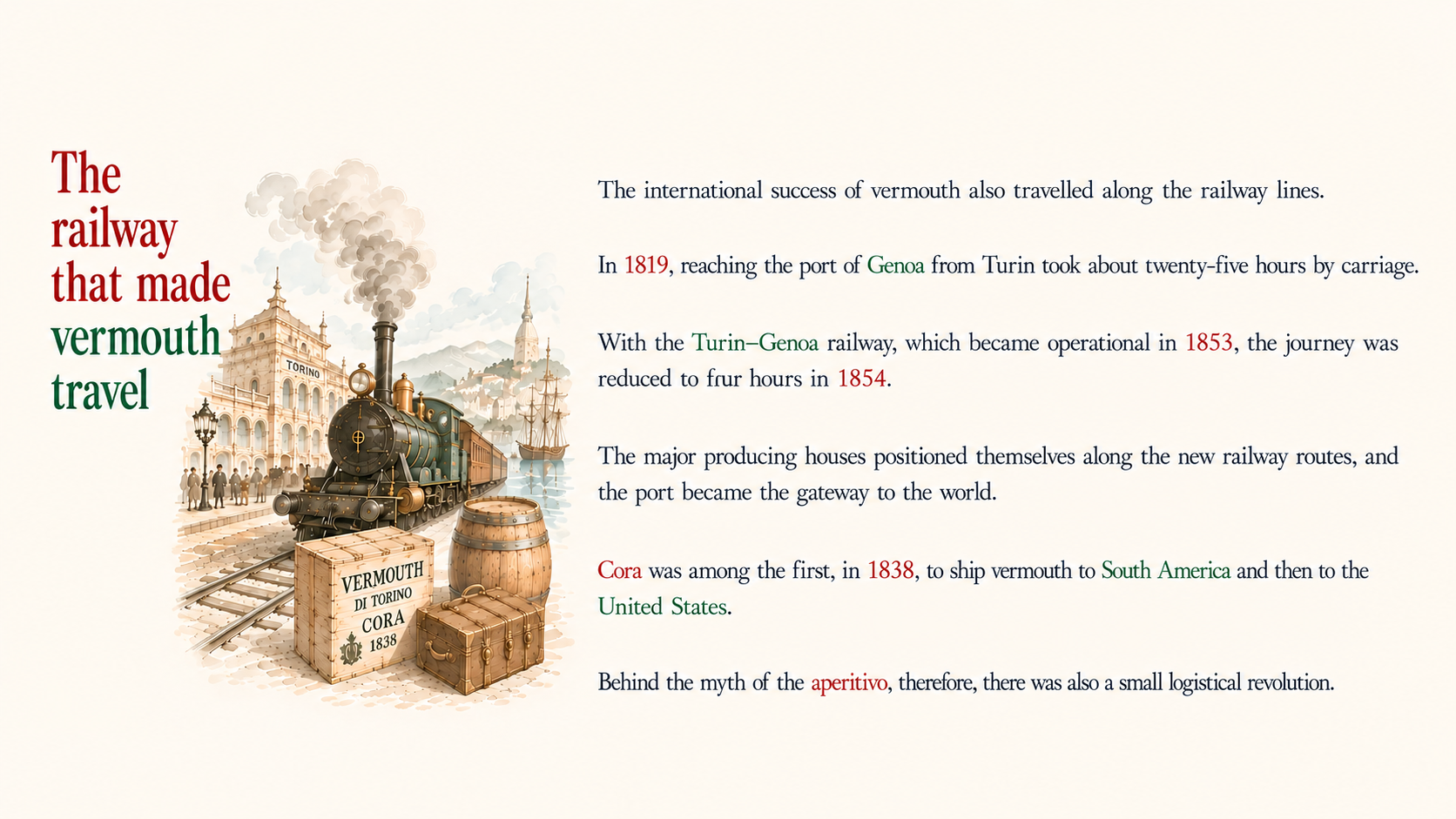
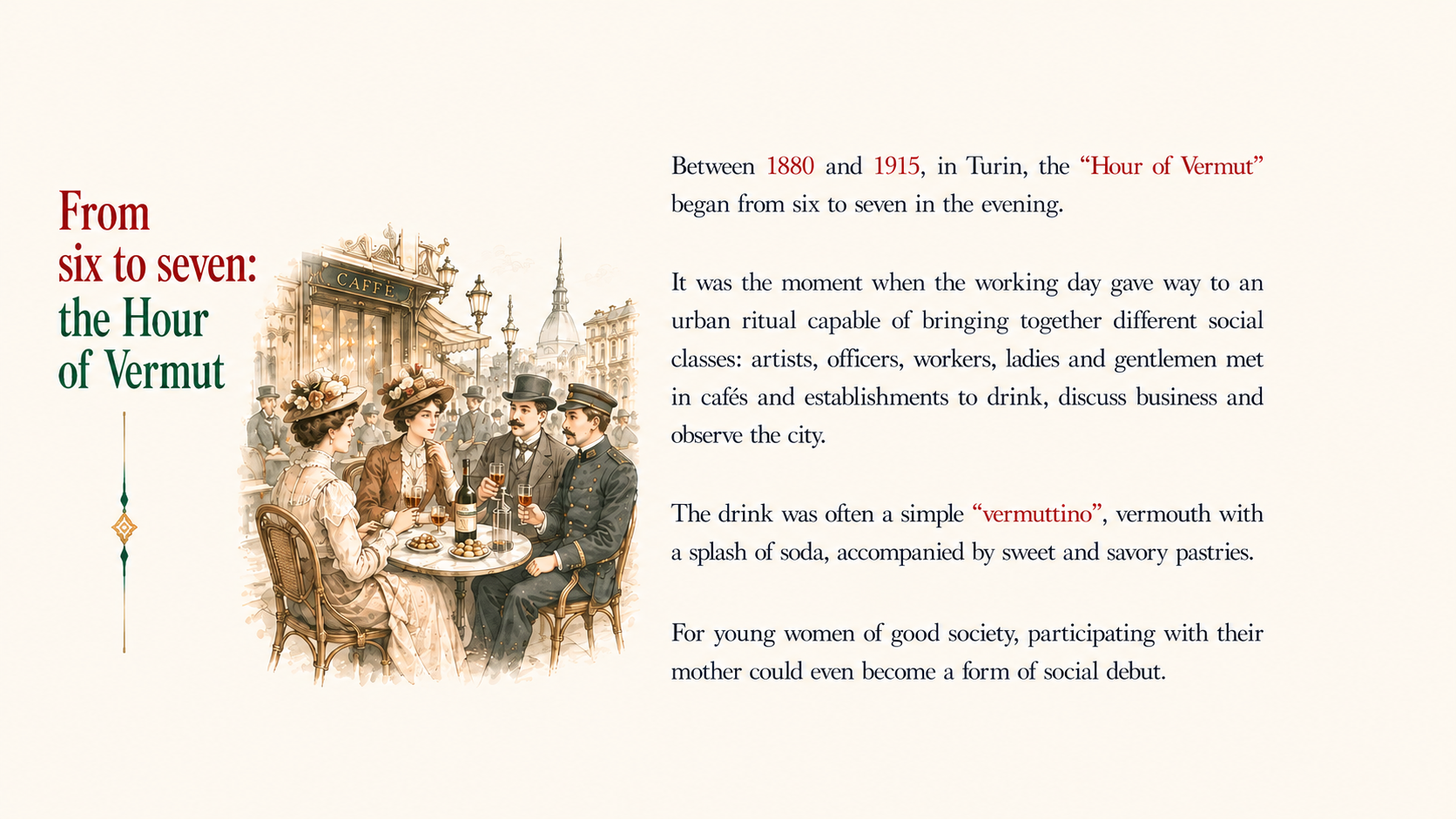
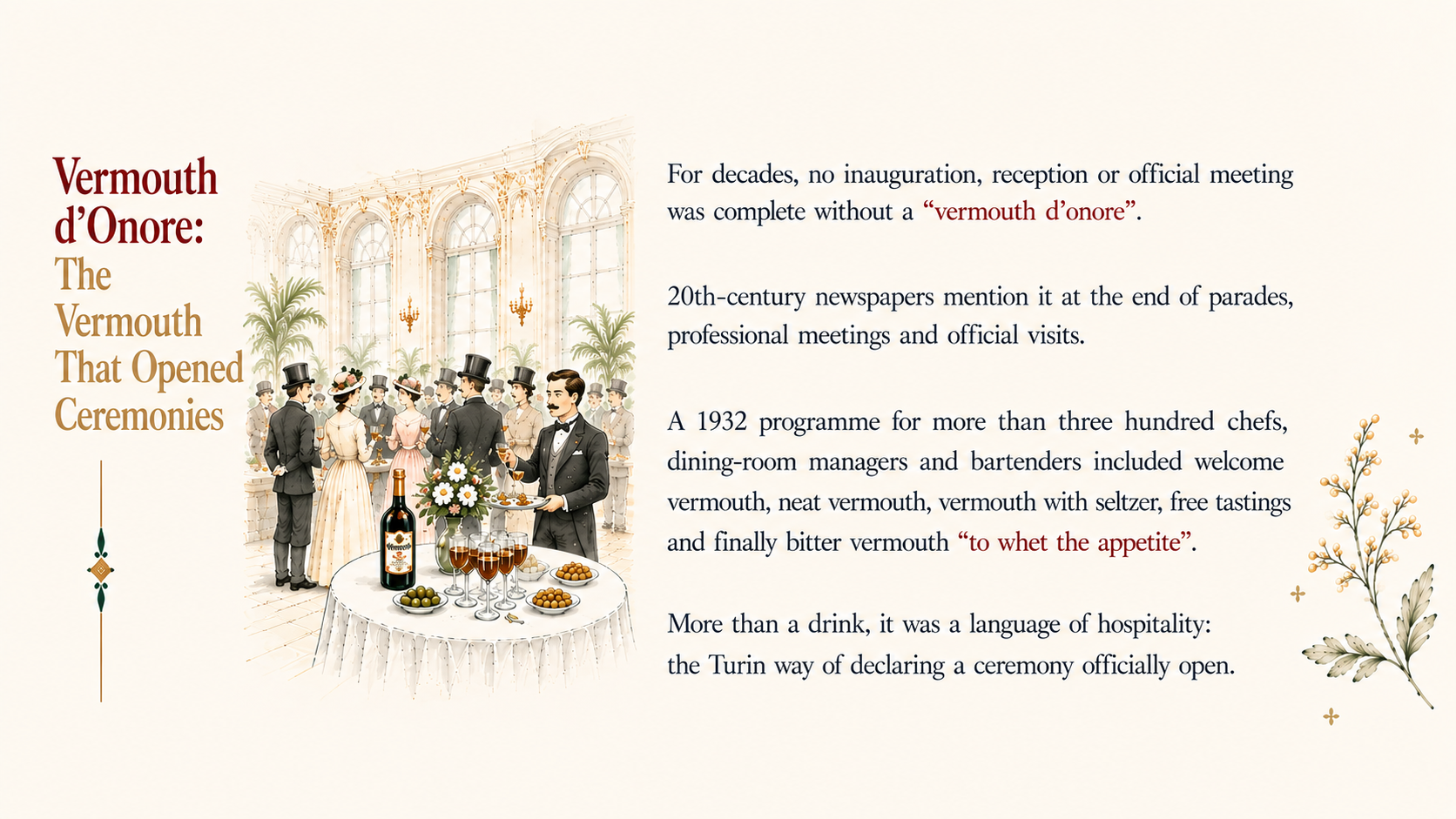
The story begins in Turin, where in 1786 Antonio Benedetto Carpano first formalised the modern recipe for vermouth in the back room of his shop facing the royal palace, a moment often cited as the birth of the aperitif as we know it today.
From there, the practice of aromatising and fortifying wine spread and diversified along distinct paths. In Chambéry, in the French Alps, herbalists built a lighter, drier style around alpine botanicals, formally recognised in 1932 as France’s only protected designation for vermouth.
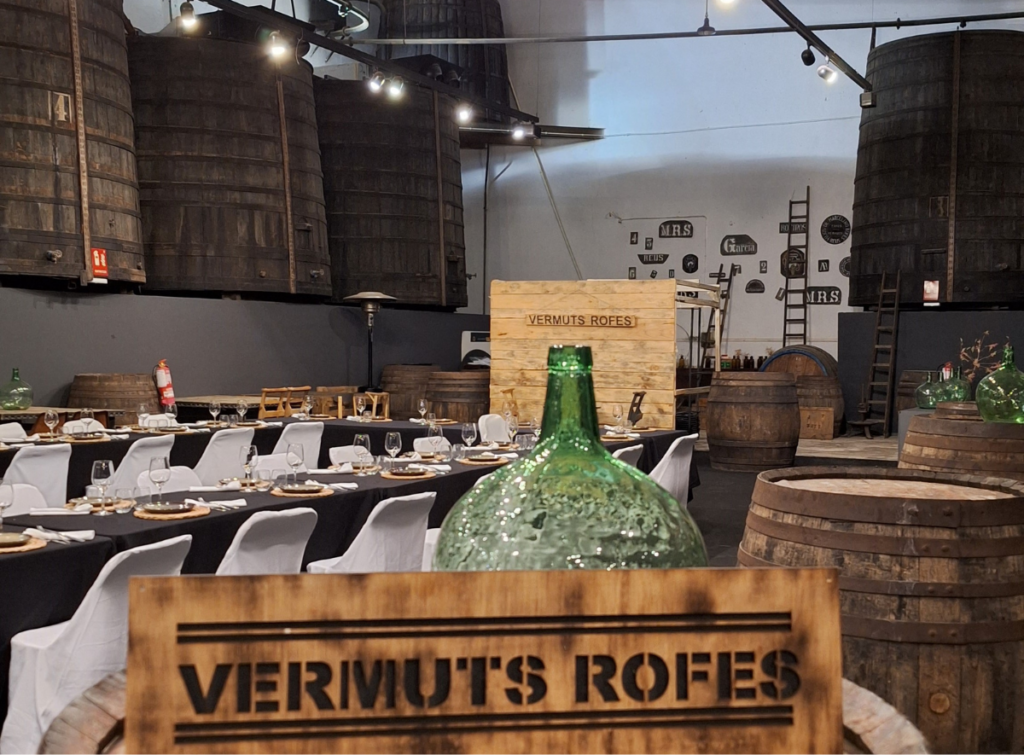
In Reus, in southern Catalonia, the phylloxera crisis that devastated French vineyards in the 1860s redirected European demand toward Catalan wine and spirits, and the town grew into what was once called, half-jokingly, one third of “Reus, Paris and London”, the capitals that set the price of spirits in Europe. Three cities, three histories, one continuous thread.
What makes vermouth a route rather than a single destination is its dependence on landscape. Unlike wine, vermouth is not defined by a grape variety or a single terroir: it is defined by a savoir-faire , the choice, sourcing, and maceration of botanicals that differ from one region to the next.
The wormwood, gentian, and alpine herbs gathered around Chambéry produce a pale, floral style; the Mediterranean herbs and citrus of the Catalan coast shape the more robust, olive-adjacent character of Vermut de Reus; the aromatic recipes developed in Turin, closer to the spice trade routes of the Piedmontese court, gave rise to the rich, dark red style that became a European standard. Each bottle is, in this sense, a reading of its own landscape, a translation of a specific place into aroma and taste.
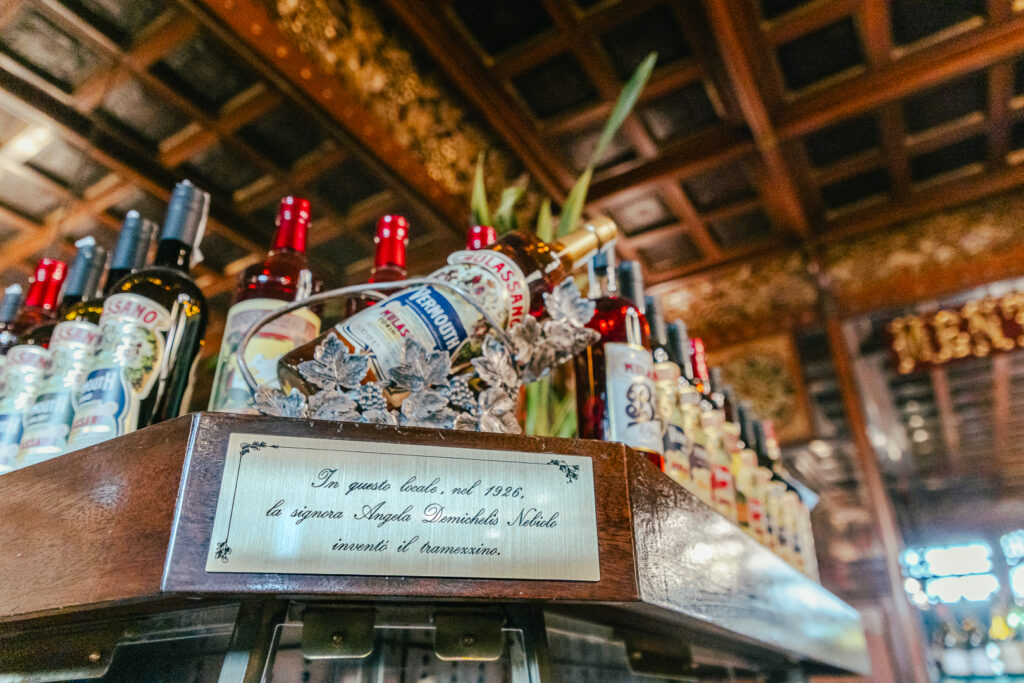
That translation has always had a visual language as well as a sensory one. From the late nineteenth century onward, vermouth houses commissioned some of the era’s most celebrated poster artists and graphic designers to represent their brands, turning the label and the advertisement into an art form in itself, a tradition that helped establish vermouth as much as an aesthetic object as a drink, displayed on café walls and city billboards from Turin to Barcelona.
This visual heritage remains an underused resource: the labels, posters, and interiors of the historic cafés associated with vermouth constitute an archive of applied art as significant as the recipes themselves.
Recognising vermouth as heritage, rather than as a commercial category, is the premise of this route. Bringing together its three historic centres under a single itinerary does not flatten their differences, it makes them legible.
A visitor who understands Chambéry’s alpine restraint, Reus’s coastal warmth, and Turin’s aromatic depth as three answers to the same question gains something no single destination could offer alone.
Read together, internationally and comparatively, these traditions strengthen one another: what one town markets as local specialty becomes, along the route, part of a larger and more persuasive narrative about European craftsmanship, and it is precisely that shared, cross-border narrative that increases the value of each individual place within it.
Partners

Iter Vitis
A non-profit association established in 2007 in Sambuca di Sicilia to promote and preserve the tangible and intangible European heritage of wine and vine culture through the Iter Vitis – Les Chemins de la Vigne, recognised as the 25th European Cultural Route by the Council of Europe in 2009.

Associazione caffè storici di torino e del piemonte
An association bringing together 21 Historic Cafés in Turin and Piedmont, forming a unique “widespread museum” in Italy and promoting their preservation, recognition, and UNESCO Intangible Cultural Heritage status.

Ajuntament de Reus
A public authority dedicated to promoting Reus as the capital of Vermouth and strengthening its cultural, gastronomic, and wine tourism heritage.
FÉDÉRATION FRANÇAISE DES VINS D’APÉRITIF
A federation representing producers and distributors of aperitif wines, including flavored, sparkling and fortified wines, and advocating for the interests of the industry at national and European levels.
The Vermouth Territories
Visit the Vermouth Territories
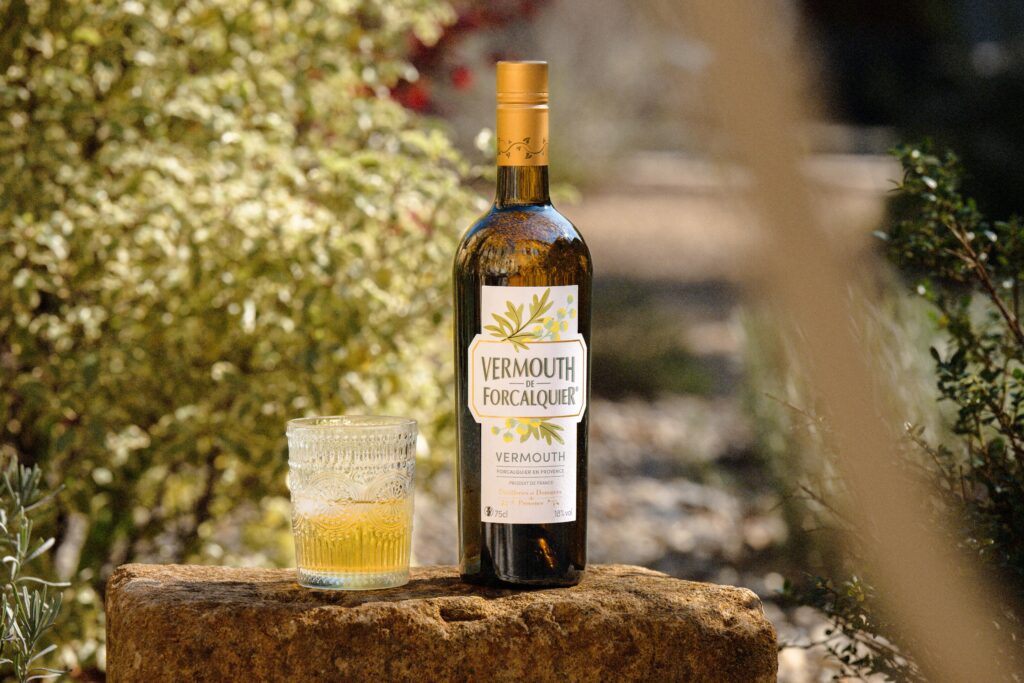
Vermouth in History, Art, and Cinema
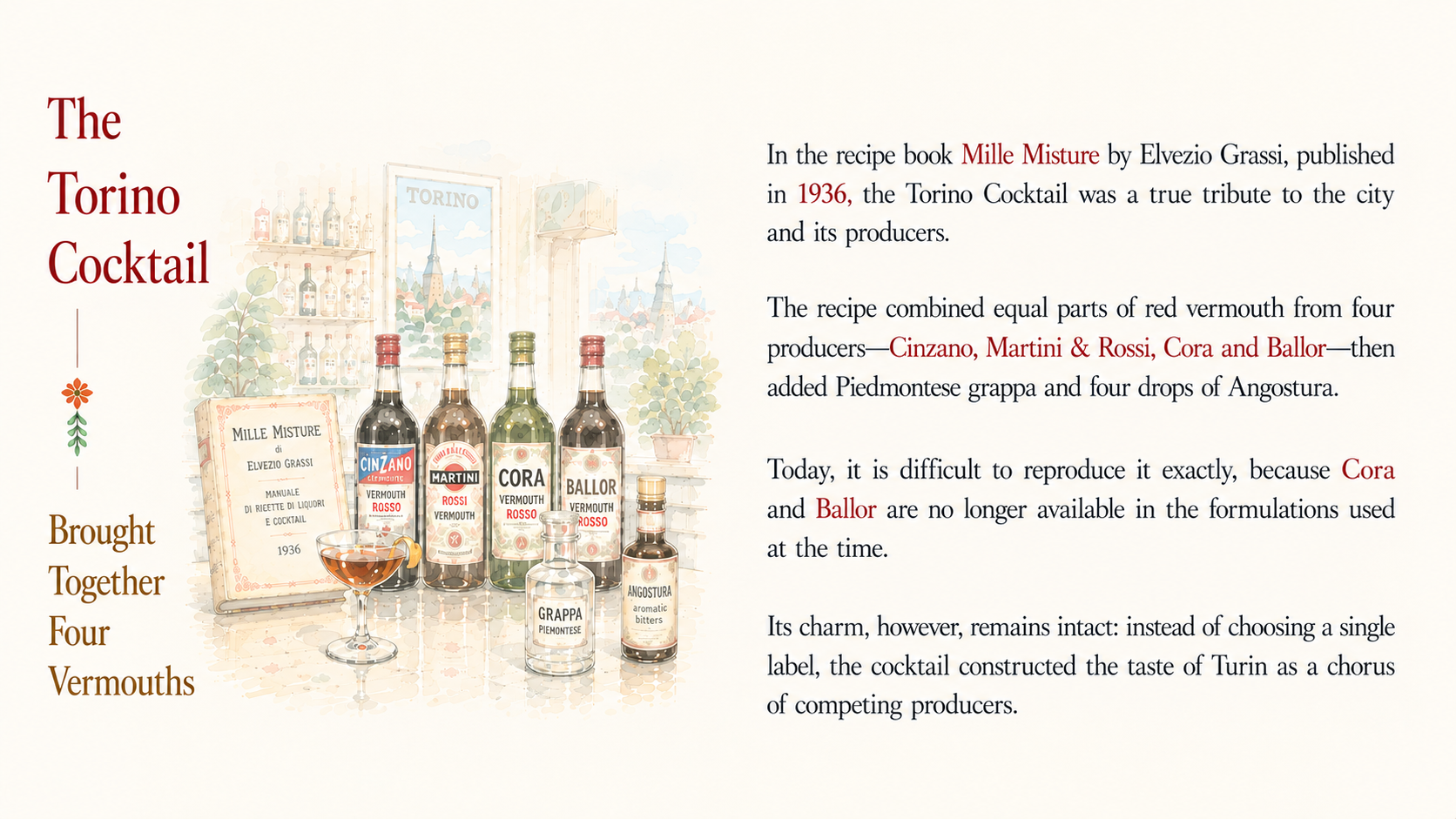
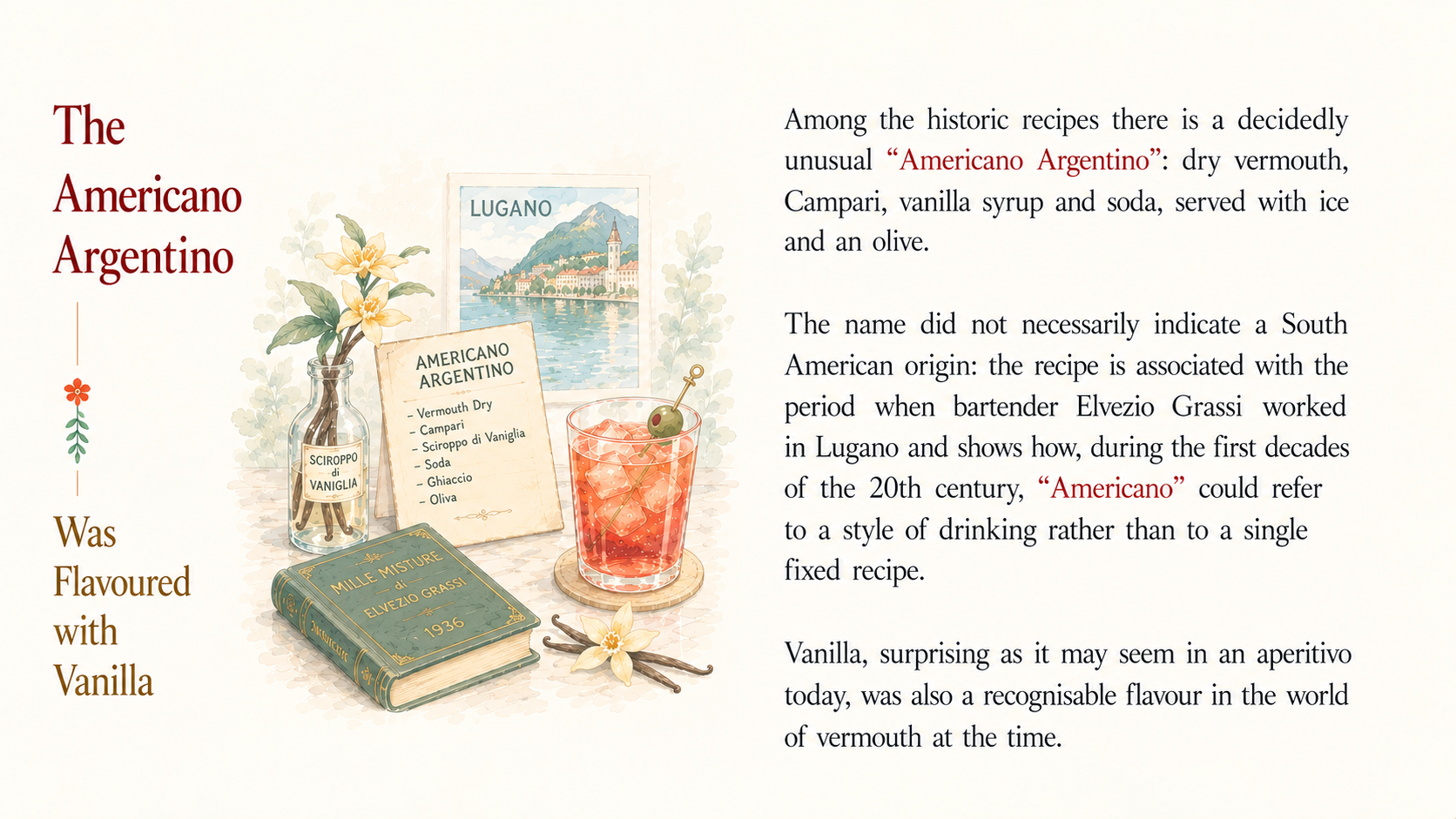
Torino

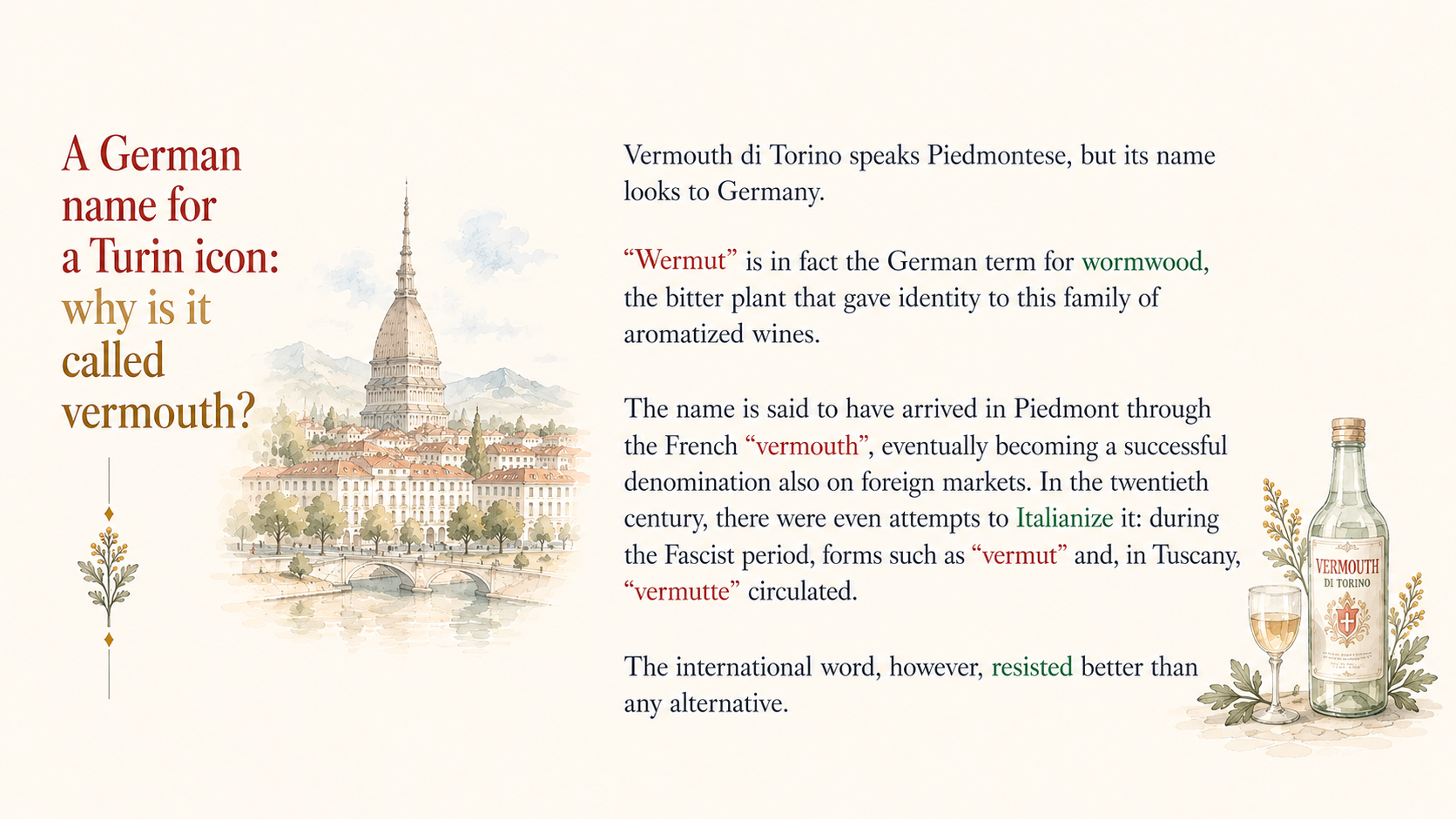
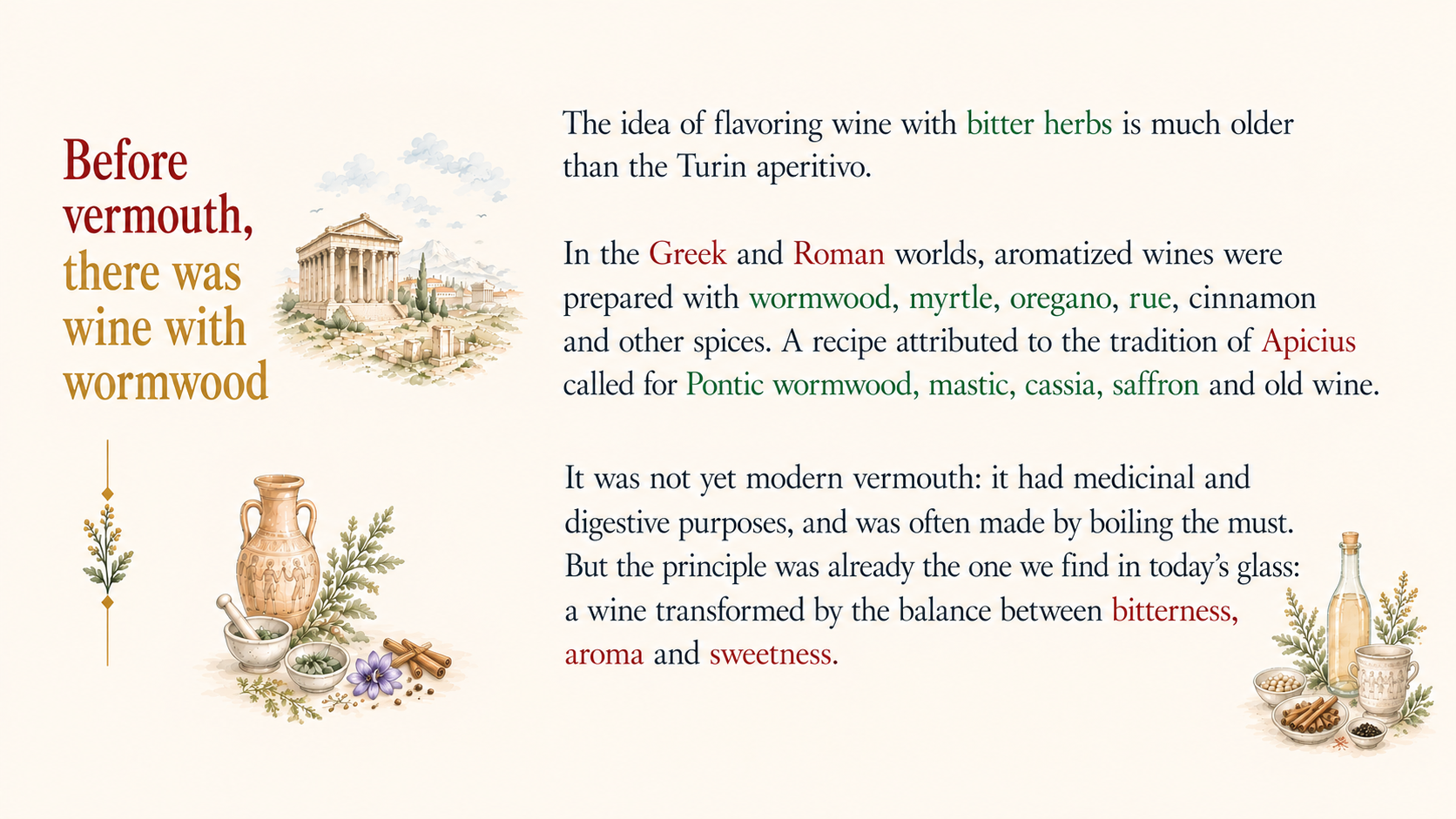
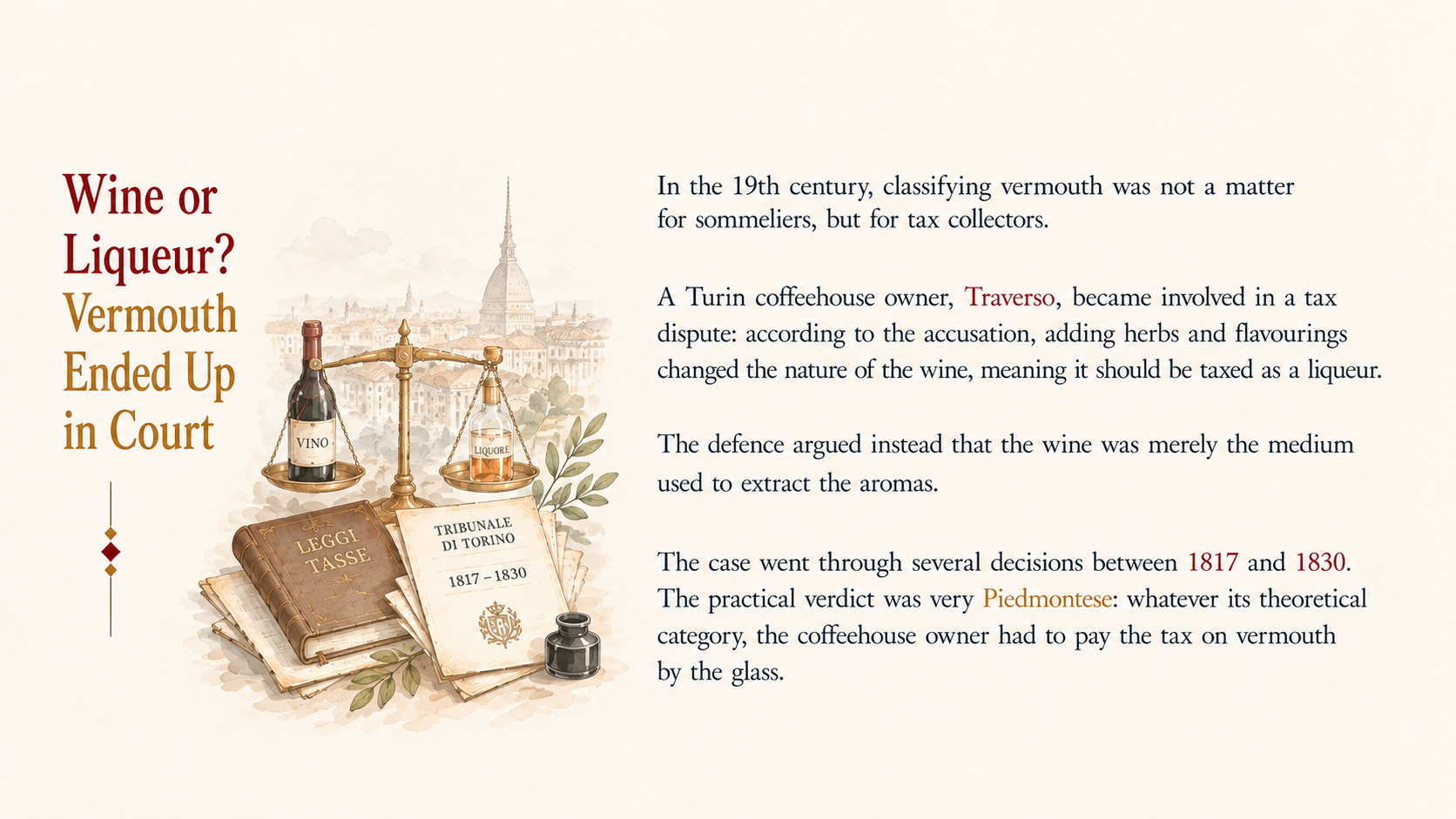
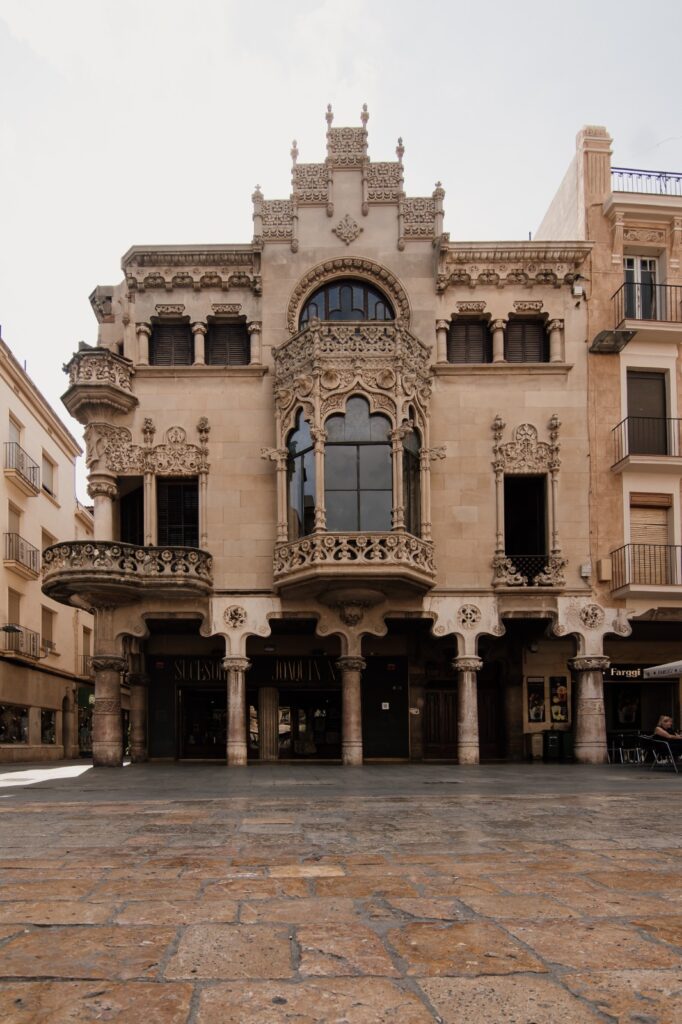
Reus
Reus promotes itself as the capital of vermouth at Madrid Fusión
Monday, 26 January 2026
Reus Promoció takes part in the Barcelona Gastronomic Forum to promote the city’s Vermouth
Monday, 3 November 2025
Reus Promoció takes part in the Iter Vitis Assembly in Thessaloniki to represent Vermut de Reus within the European Vermouth Route
Friday, 17 October 2025
……
Prepare your vermouth

El MASCLET
A mixed drink traditionally made with equal parts of Reus black vermouth and Plim, the well-known fruit-flavoured soft drink that originated in the city.
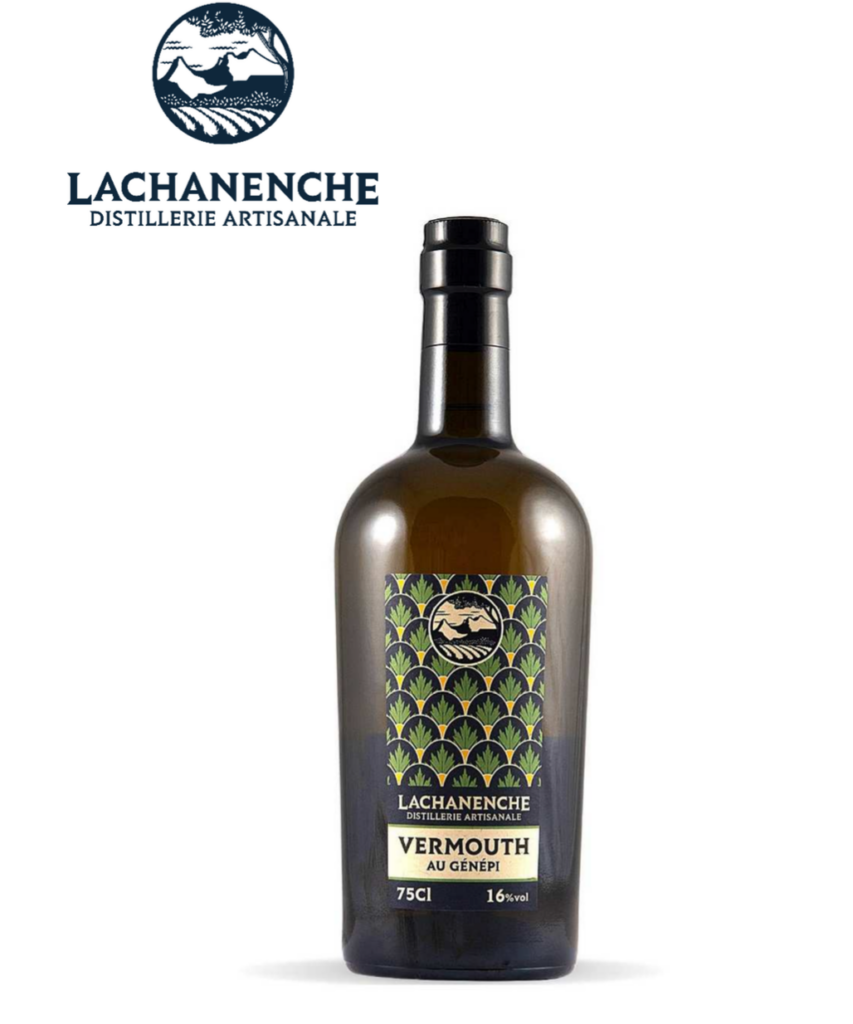
Génépi Vermouth
Traditional aperitif of the Alps and the South of France. White wine flavoured with herbs (mugwort) and spices, with an alcohol content of between 15 and 18% vol.