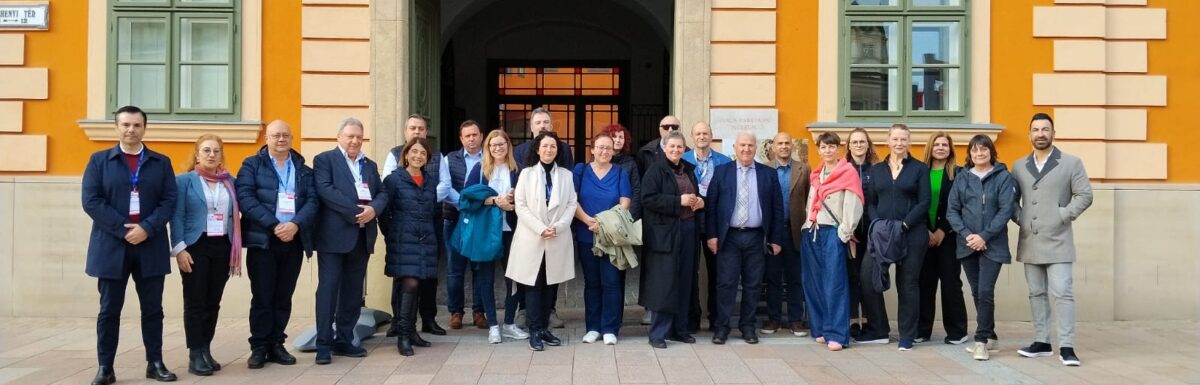
From 10 to 12 March 2026, the city of Pécs, Hungary, hosts the thematic workshop “Eno Heritage Preservation and Promotion for Wine Tourism”, organised by the Chamber of Commerce and Industry of Pécs-Baranya (CCIPB) within the framework of the Interreg Europe project EnoGastroDEST.
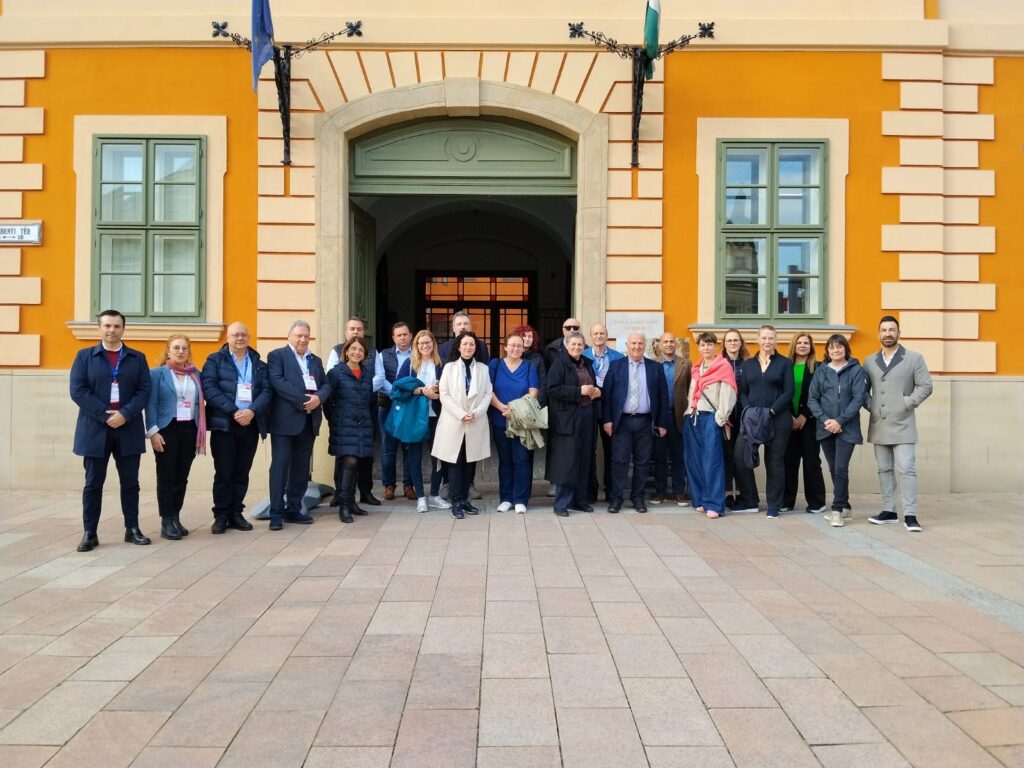
The event brings together policymakers, tourism professionals, wine sector representatives, and cultural tourism experts from across Europe to exchange experiences on how wine and culinary heritage can support the development of experiential and sustainable tourism.
The workshop takes place in the Pannon Wine Region, one of Hungary’s historic wine areas that includes the wine districts of Pécs, Szekszárd, Tolna and Villány. This region is also known for establishing Hungary’s first wine route in Villány in 1994, a pioneering initiative that demonstrated how cooperation between wineries and tourism actors can strengthen regional tourism development.
During the conference sessions, partners present good practices in wine tourism and heritage preservation from different European regions. Among the key contributions is the presentation by Emanuela Panke, President of Iter Vitis – Les Chemins de la Vigne en Europe, highlighting the importance of safeguarding viticultural landscapes, traditional knowledge, and living wine culture across Europe.
The programme also includes networking events, a steering group meeting of project partners, cultural visits in Pécs, and study visits to the Research Institute for Viticulture and Oenology of the University of Pécs, where participants explore innovative research on grape varieties, climate adaptation, and the preservation of indigenous vines.
The EnoGastroDEST project aims to strengthen the role of wine and gastronomy heritage in sustainable cultural tourism, supporting destinations in developing authentic visitor experiences while protecting their cultural landscapes and traditions.
For Iter Vitis, participation in this workshop represents another opportunity to contribute to European dialogue on wine heritage preservation, sustainable tourism development, and the promotion of vineyards as living cultural landscapes.