A dialogue between history, viticulture, research and education
What stories can a wine born within an archaeological site tell?
What relationship today links winemakers, researchers and students to the landscapes of the past?
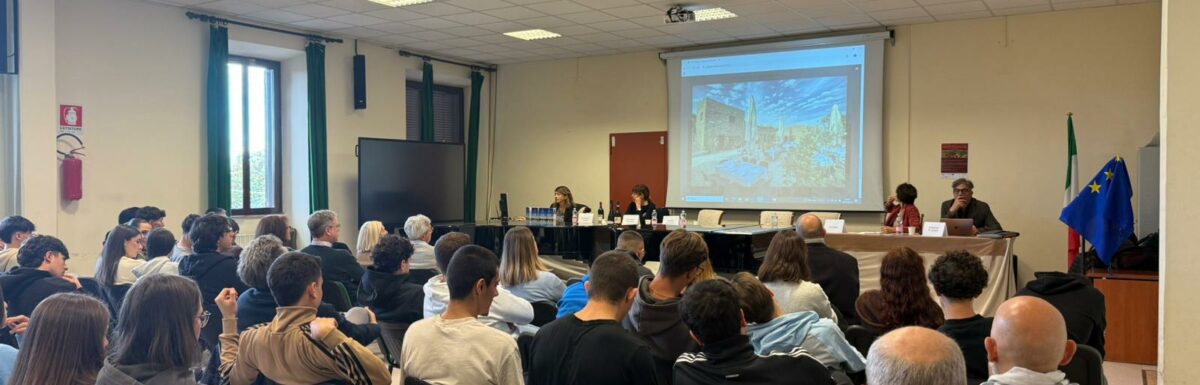
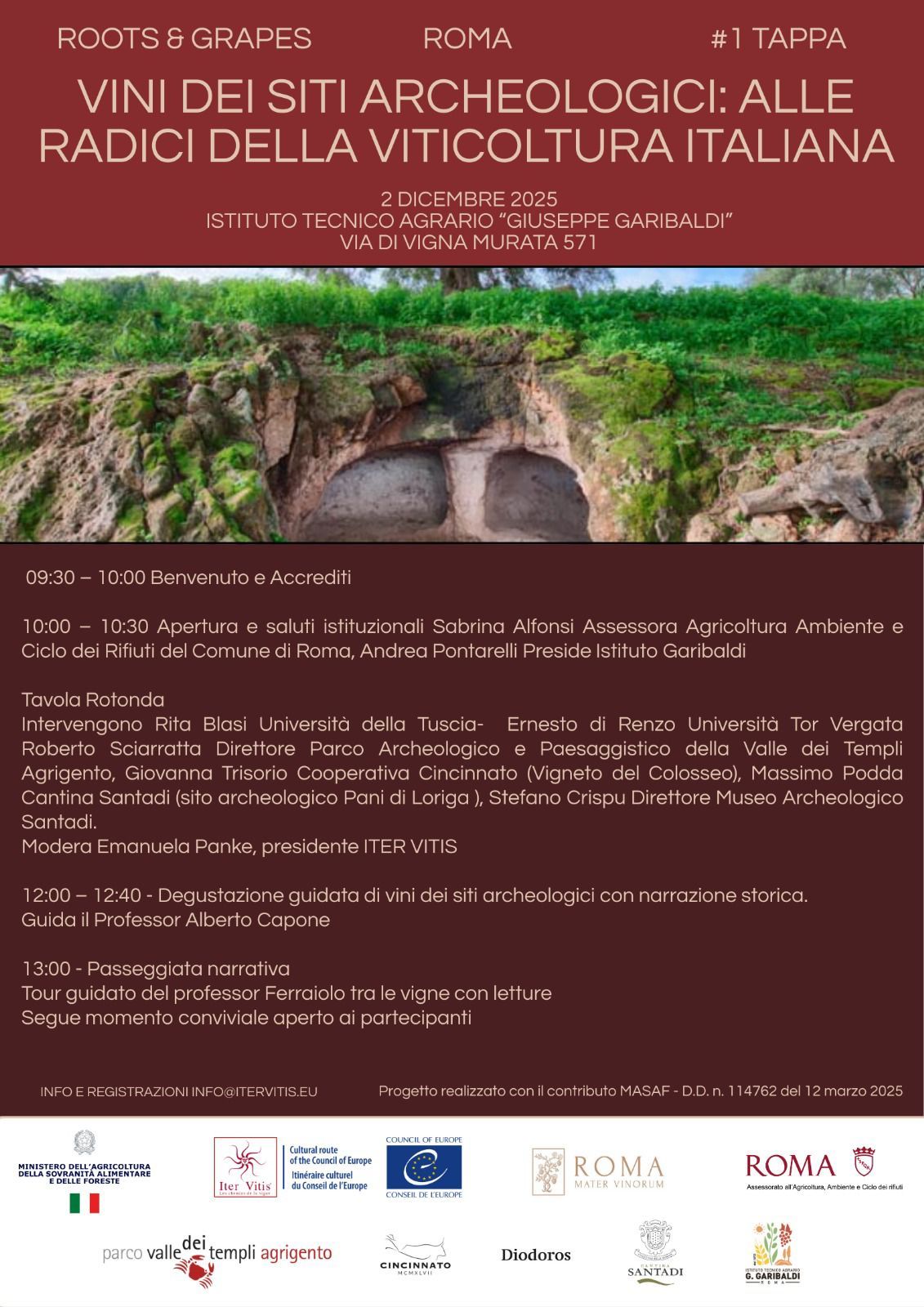
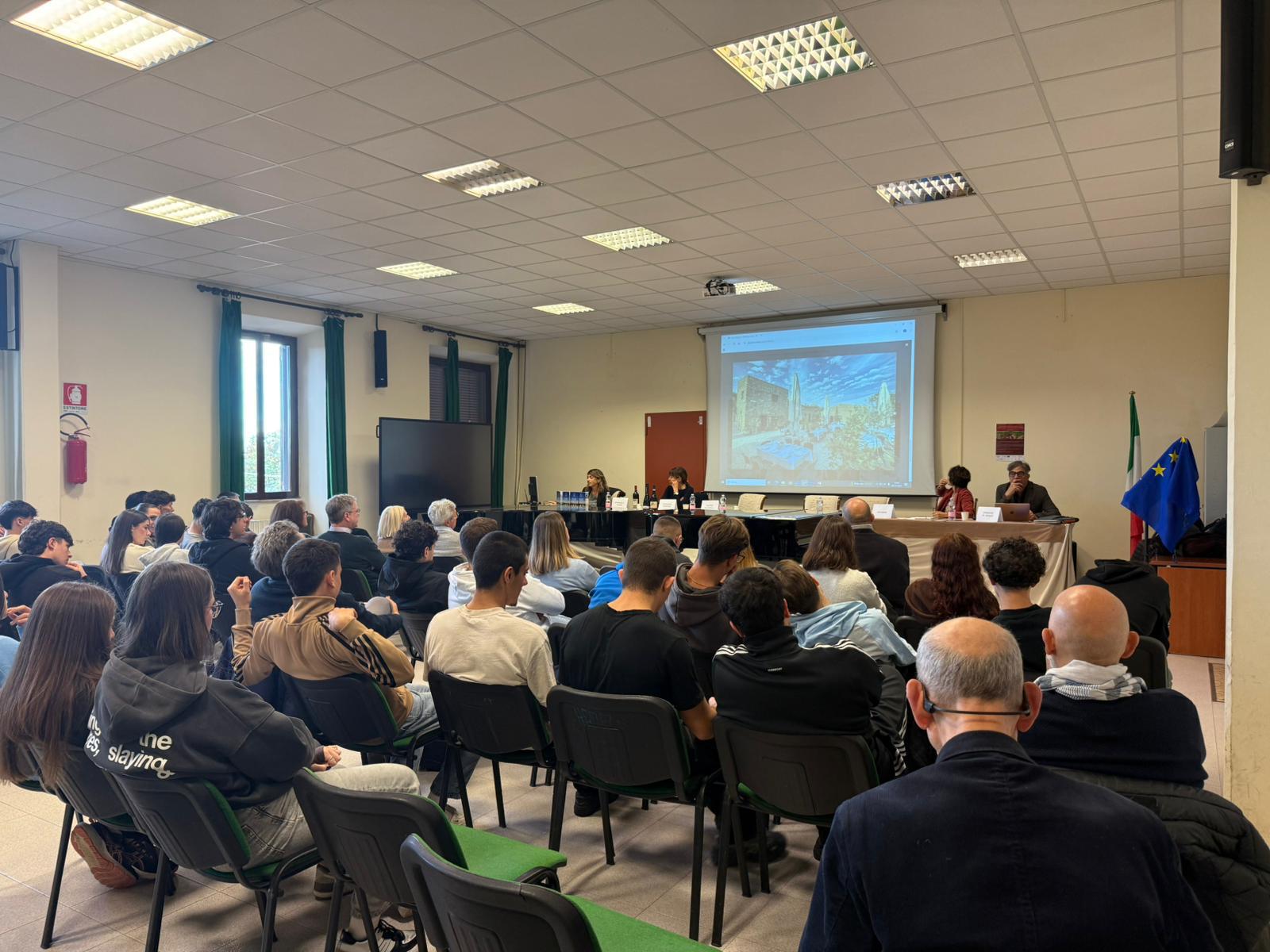
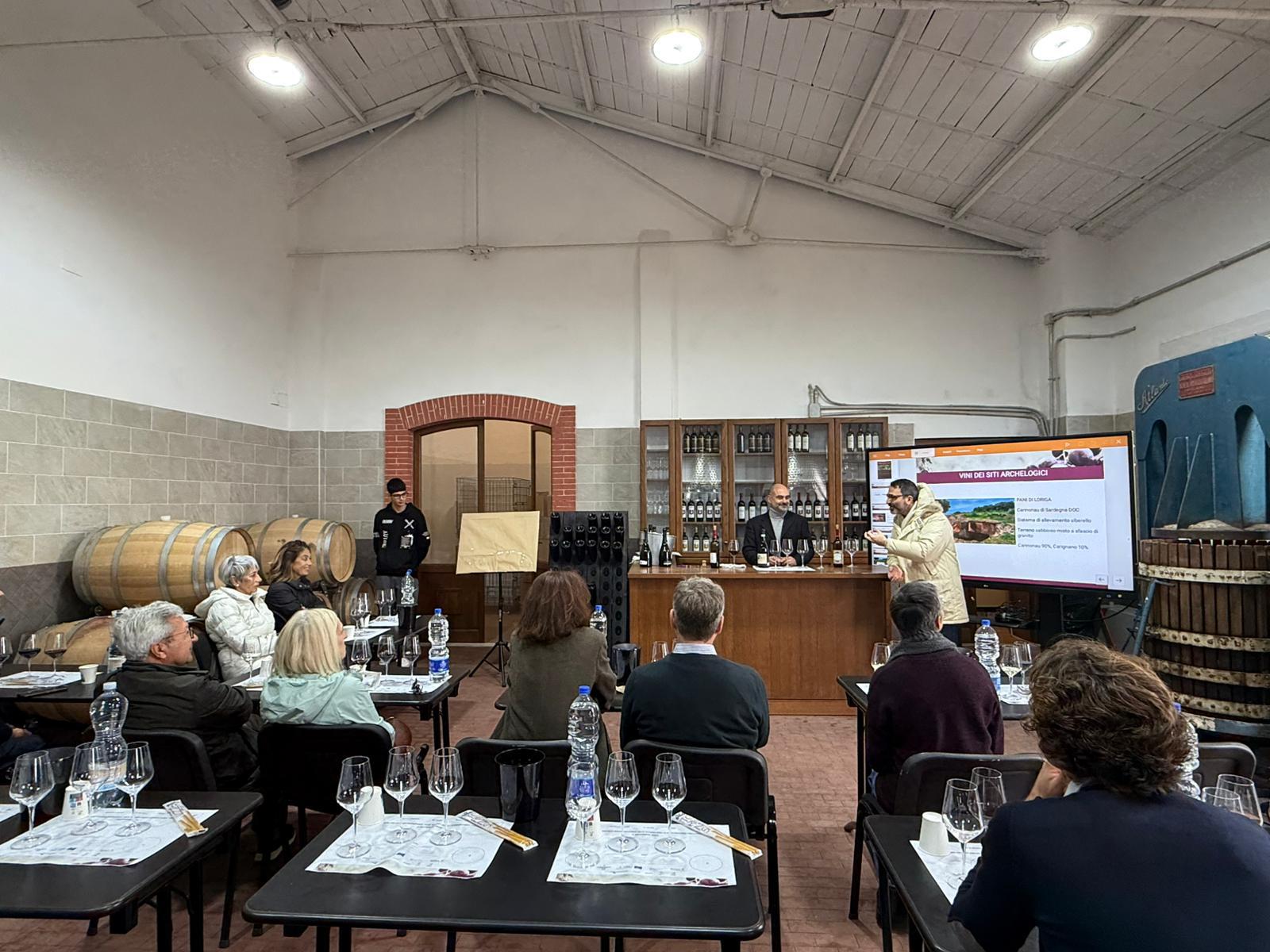
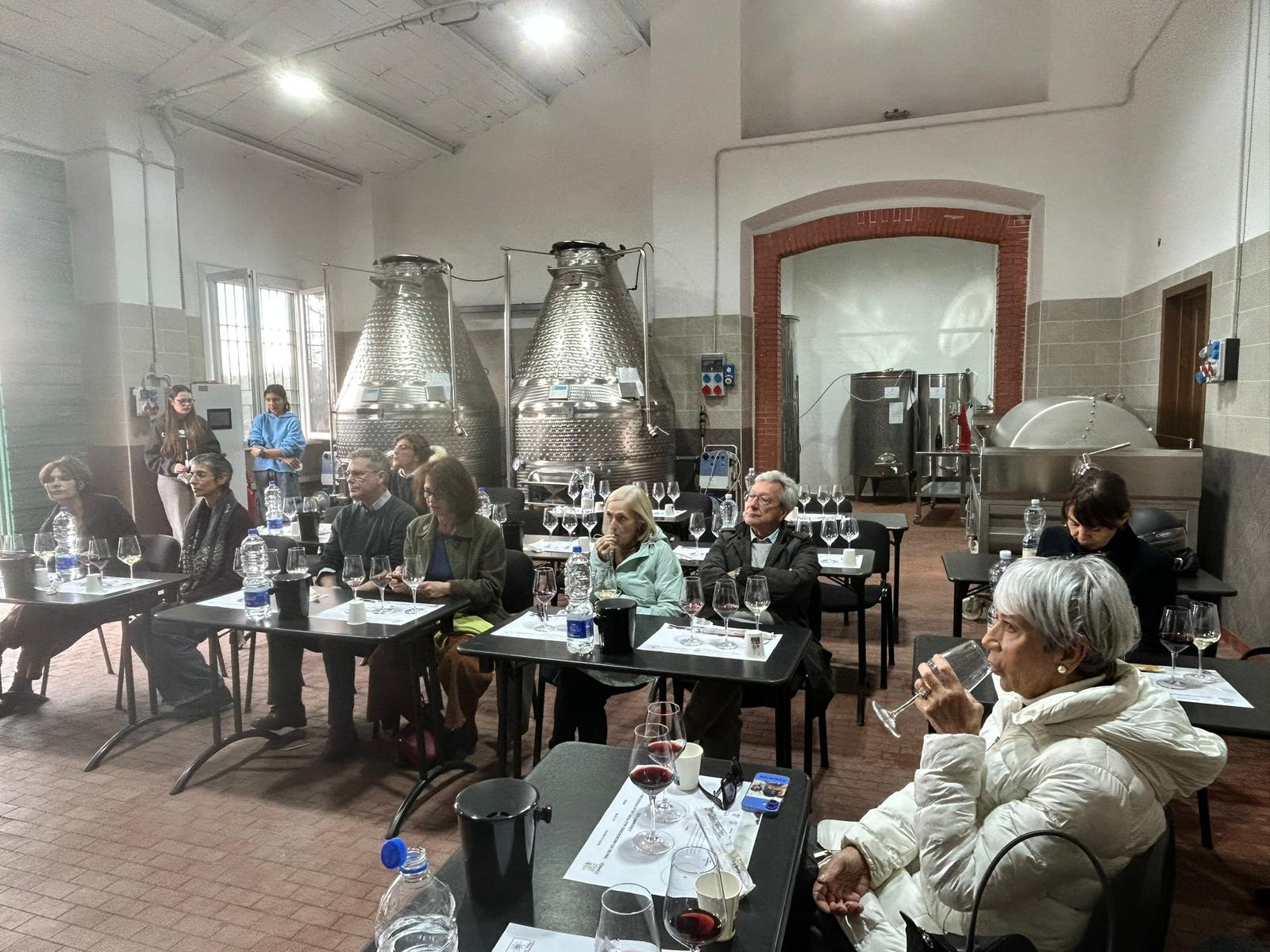
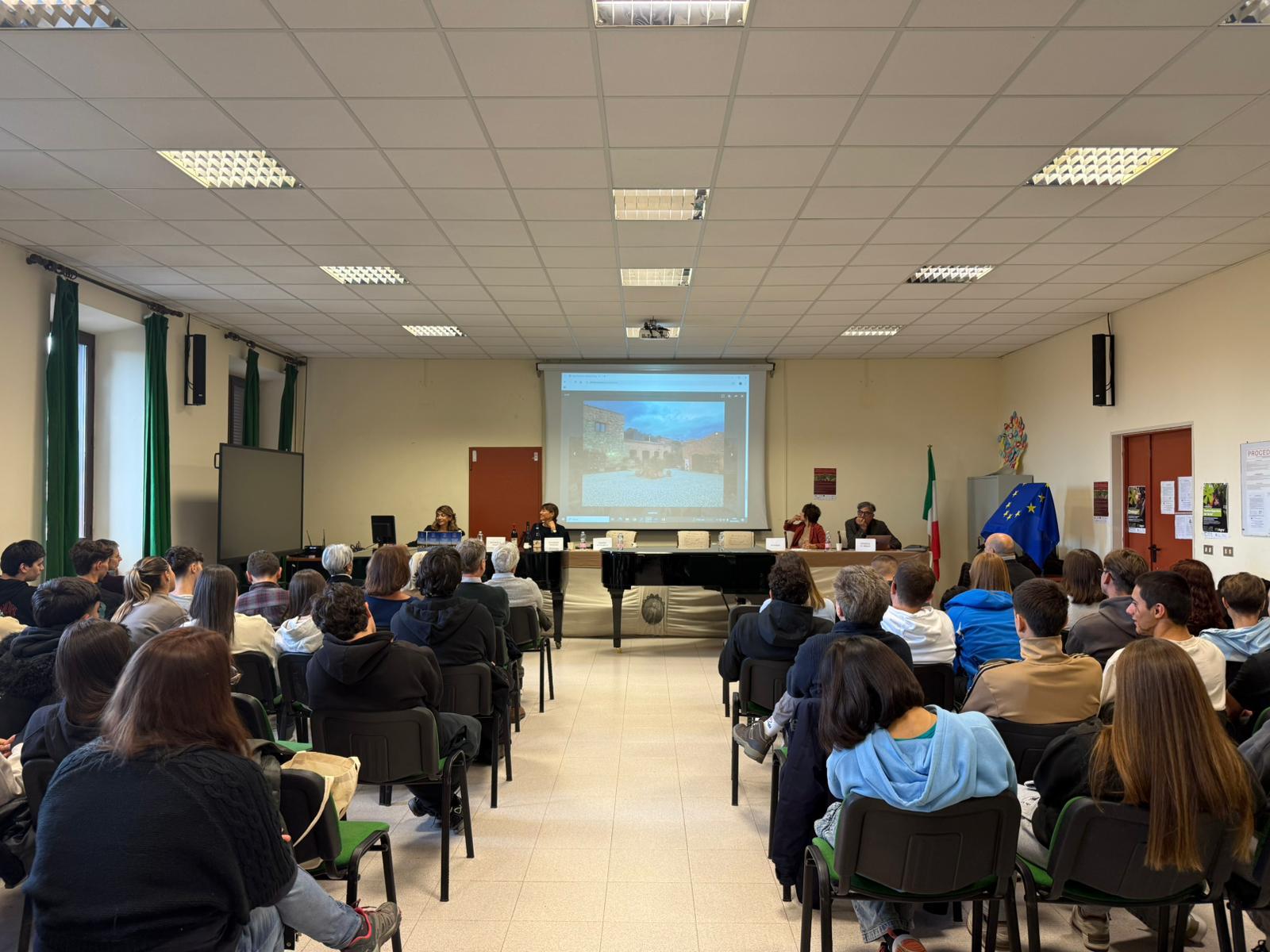
These were the questions addressed at the event “Wines from Archaeological Sites”, held on December 2nd at the State Agricultural Technical Institute “Giuseppe Garibaldi” in Rome—an occasion that brought together school, territory, archaeology and wine culture in a single, integrated narrative.
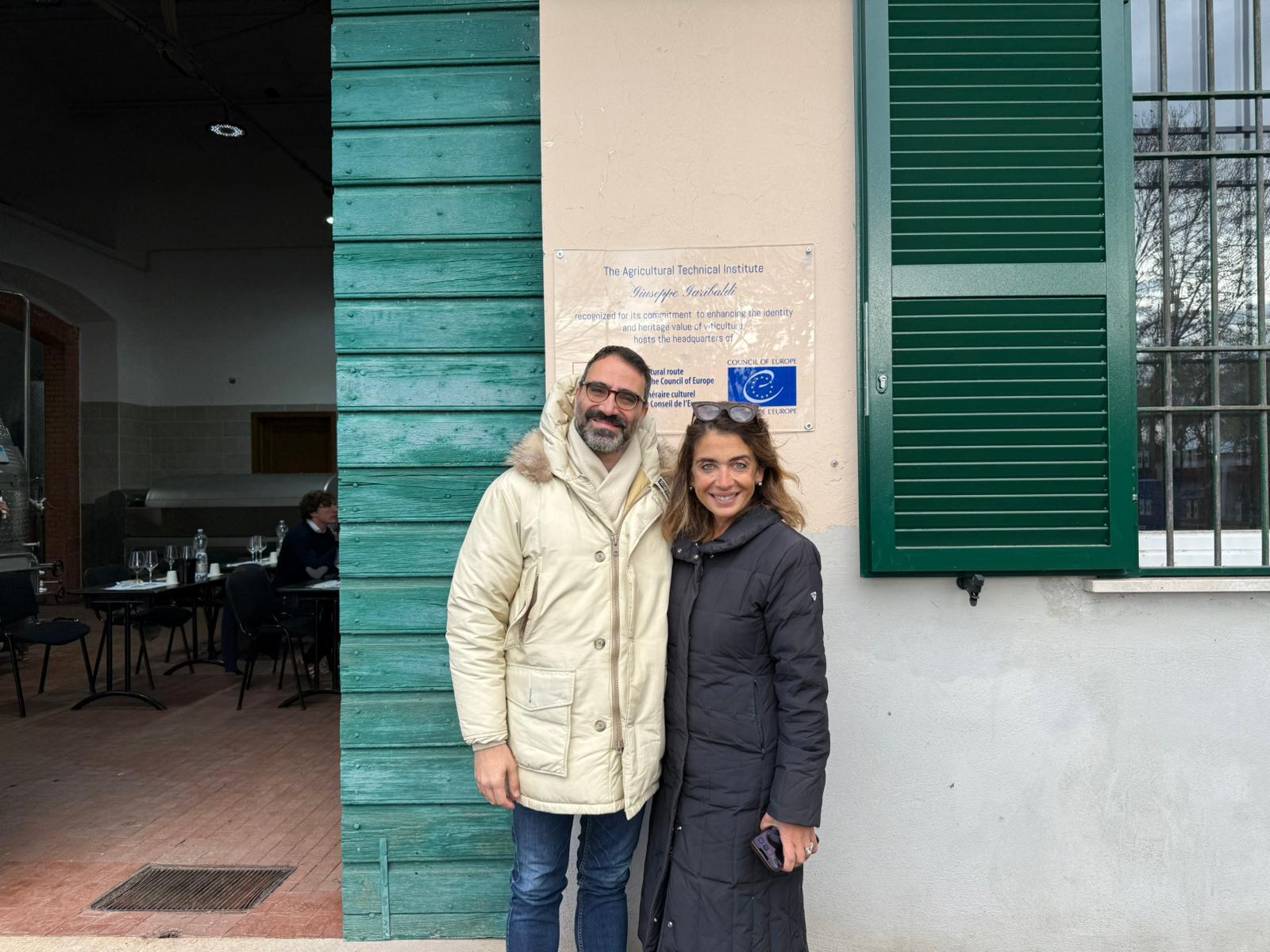
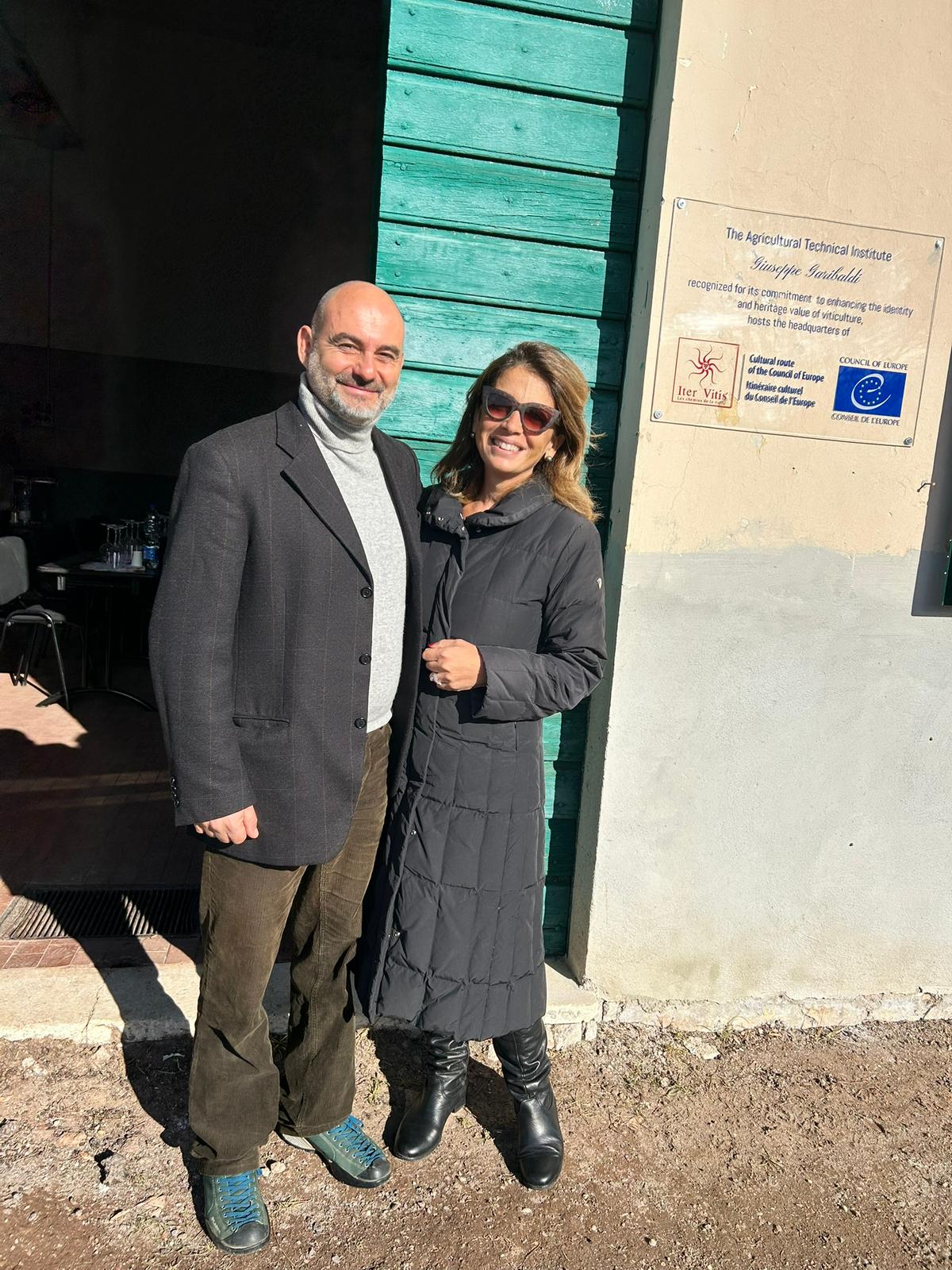
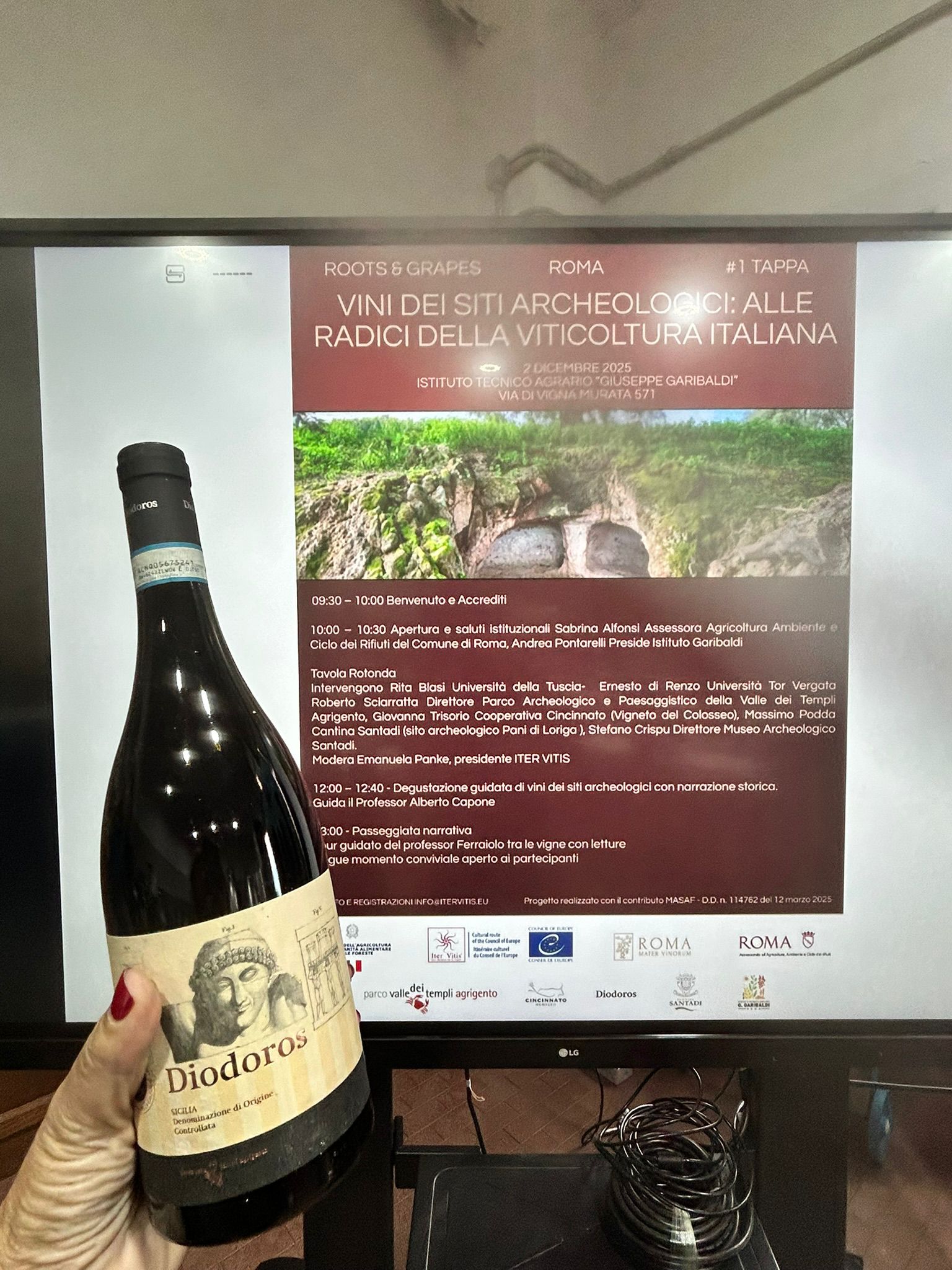
The initiative was organized in collaboration with Iter Vitis – Cultural Route of the Council of Europe, which for many years has promoted wine across Europe as a cultural and identity-based heritage, and which has acknowledged the Garibaldi Institute for its commitment to safeguarding the culture of the vine.
The event featured the contributions of scholars, heritage professionals and representatives of three wineries engaged in supporting archaeological heritage through cultural patronage projects:
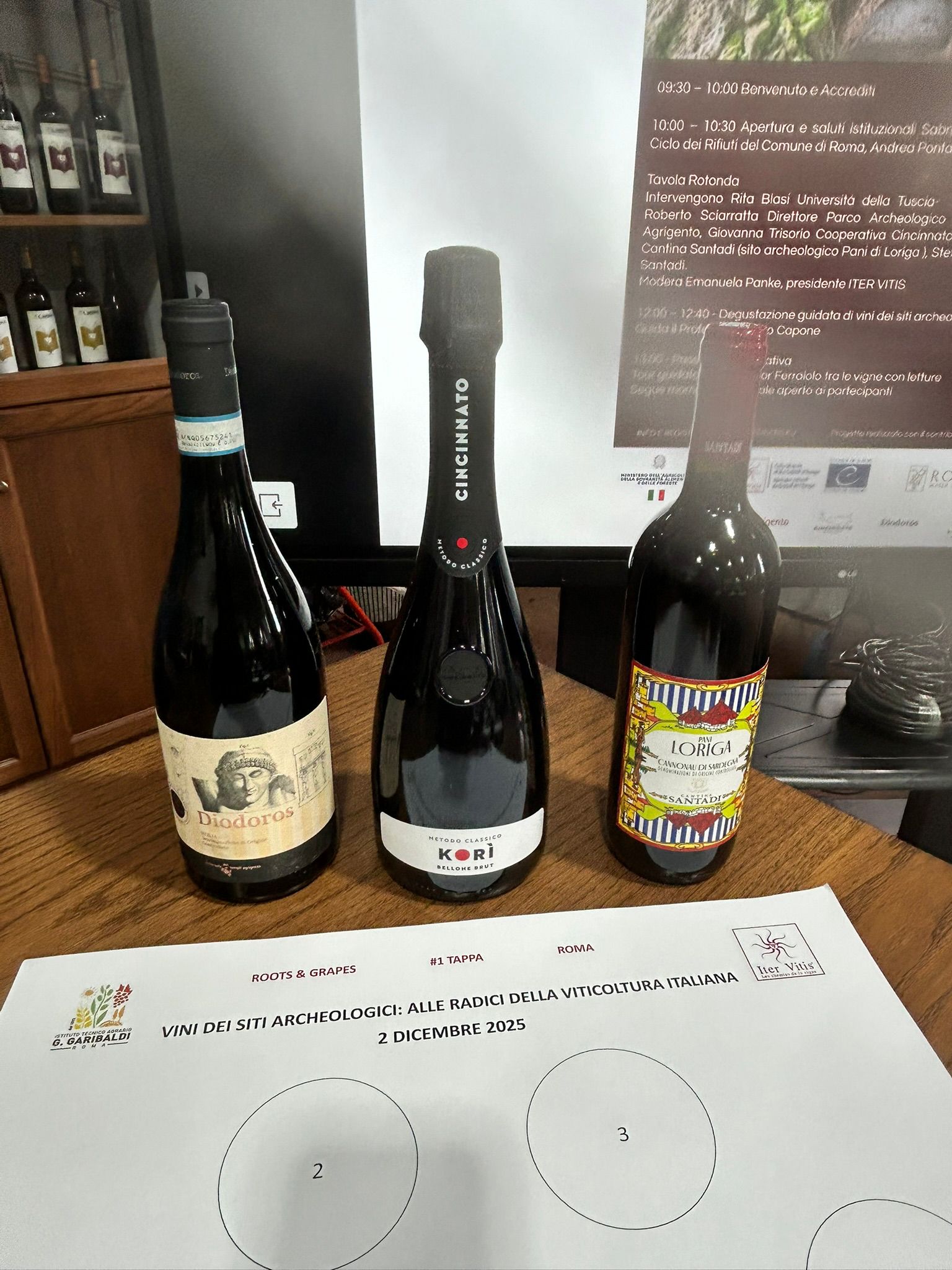
- Giovanna Trisorio, representing Cincinnato, who presented the Vigna Barberini project within the Archaeological Park of the Colosseum;
- Fabio Gulino, on behalf of the Archaeological and Landscape Park of the Valley of the Temples in Agrigento, who illustrated the Diodoro project, dedicated to the revival of viticulture in the ancient landscape of Akragas;
- Massimo Podda, for the Cantina Santadi (Sulcis), who described the cooperative’s commitment to its territory and to the site of Pani Loriga;
- Stefano Crispu, Director of the Archaeological Museum of Santadi, who presented the Phoenician and Punic evidence of ancient enology in the region.
Alongside representatives of the wine and museum sectors, two scholars who have long studied the relationship between wine, culture and ritual also took part:
- Ernesto Di Renzo (University of Rome Tor Vergata), food anthropologist;
- Rita Blasi (University of Tuscia), expert in rural and viticultural landscapes.
An interdisciplinary exchange that offered a comprehensive perspective on the cultural significance of the vine in the Mediterranean.
A particularly meaningful aspect that emerged from the event is that all three wineries involved in projects with archaeological sites—Cincinnato, Cantina Santadi and CVA Canicattì (for the Diodoro project)—are cooperative wineries. This fact adds further value to the initiative: cultural patronage does not stem only from large private companies, but can also arise from the collective strength of farming communities, capable of investing in heritage protection, territorial storytelling and the future of younger generations.
The teachers of the Garibaldi Institute—particularly Professor Alberto Capone—led guided tastings, agronomic reflections and historical research activities, confirming the role of the school as a place of cultural innovation and a training ground for the future of agriculture and tourism.
During the event, Emanuela Panke, President of Iter Vitis, emphasized how the cooperation between schools, archaeological parks and wineries represents a virtuous model for making heritage accessible and alive:“A vineyard in an archaeological site is not an ornament, but an invitation to reinterpret the landscape. Wine becomes a key to memory and a bridge between communities, research and territory.”
The event confirms the Giuseppe Garibaldi Institute, led by Principal Andrea Pontarelli, as a reference hub for the enhancement of viticultural heritage and as part of the European educational network promoted by Iter Vitis.