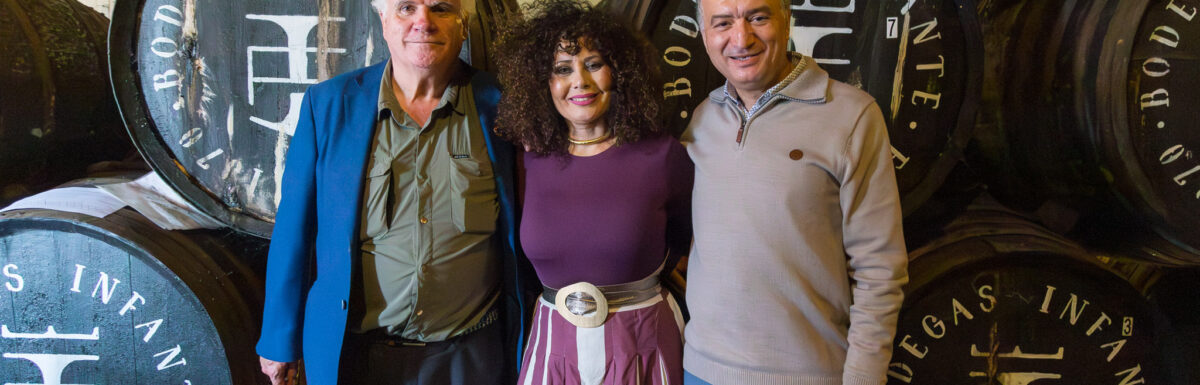
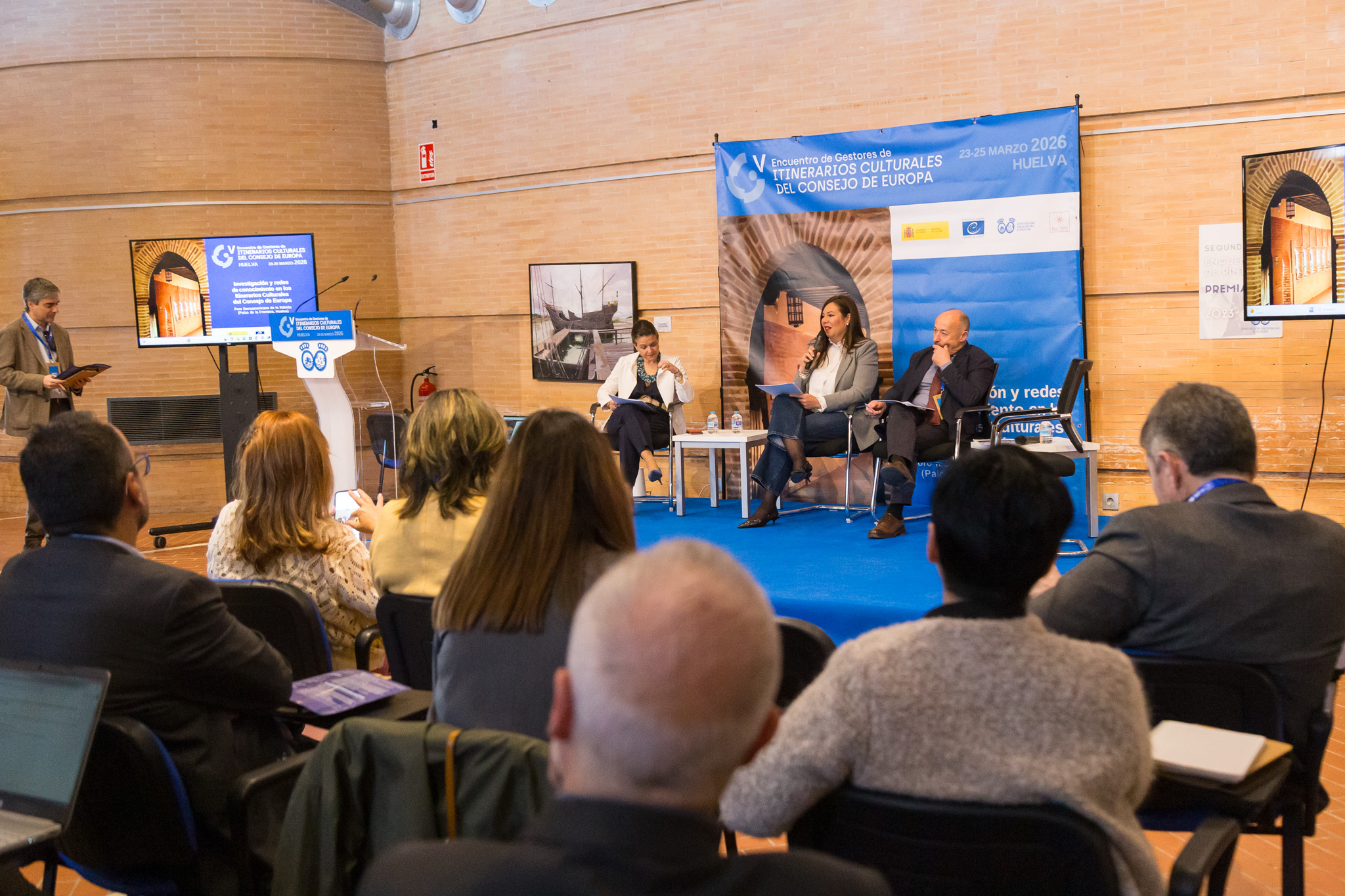
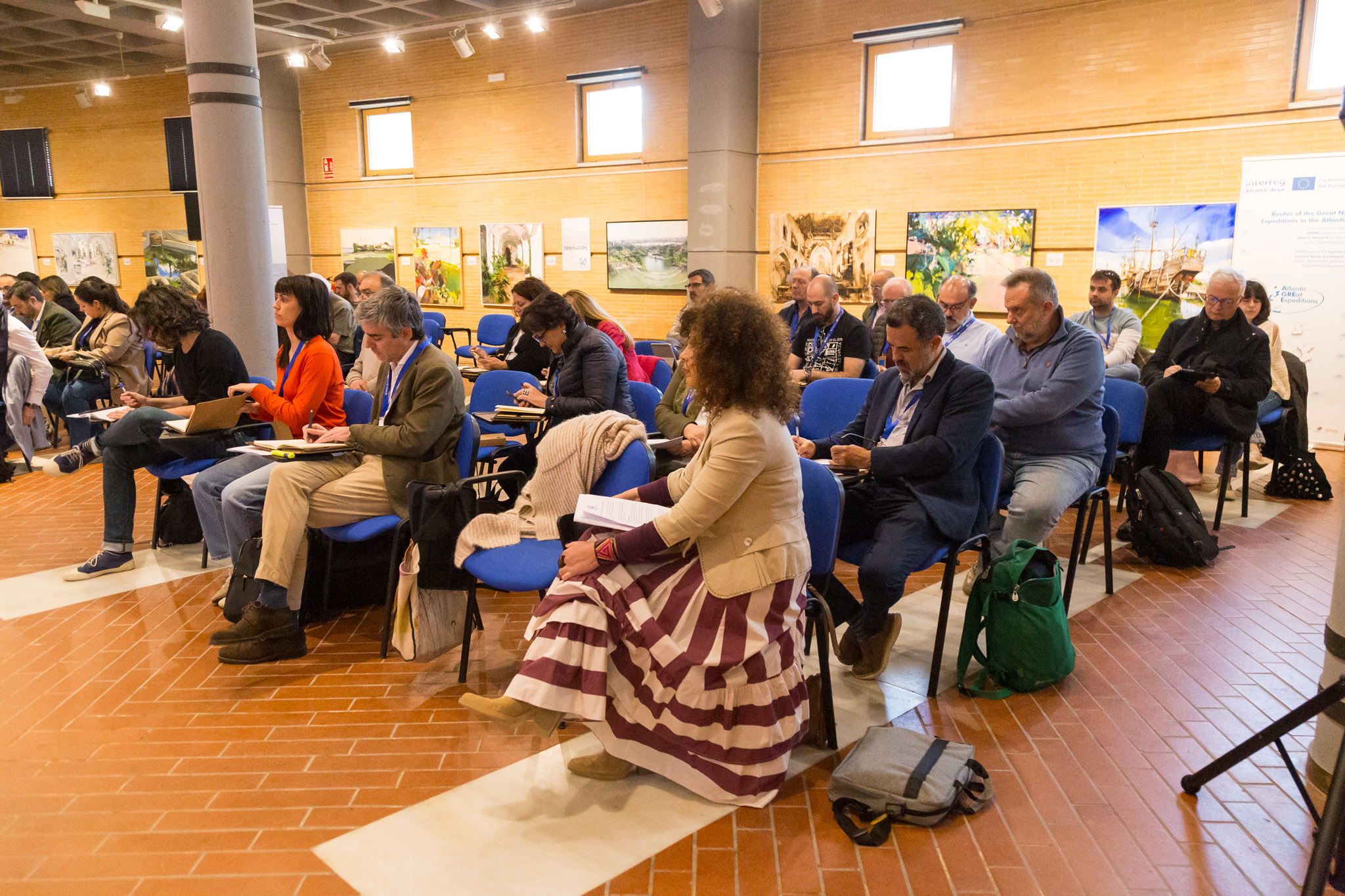
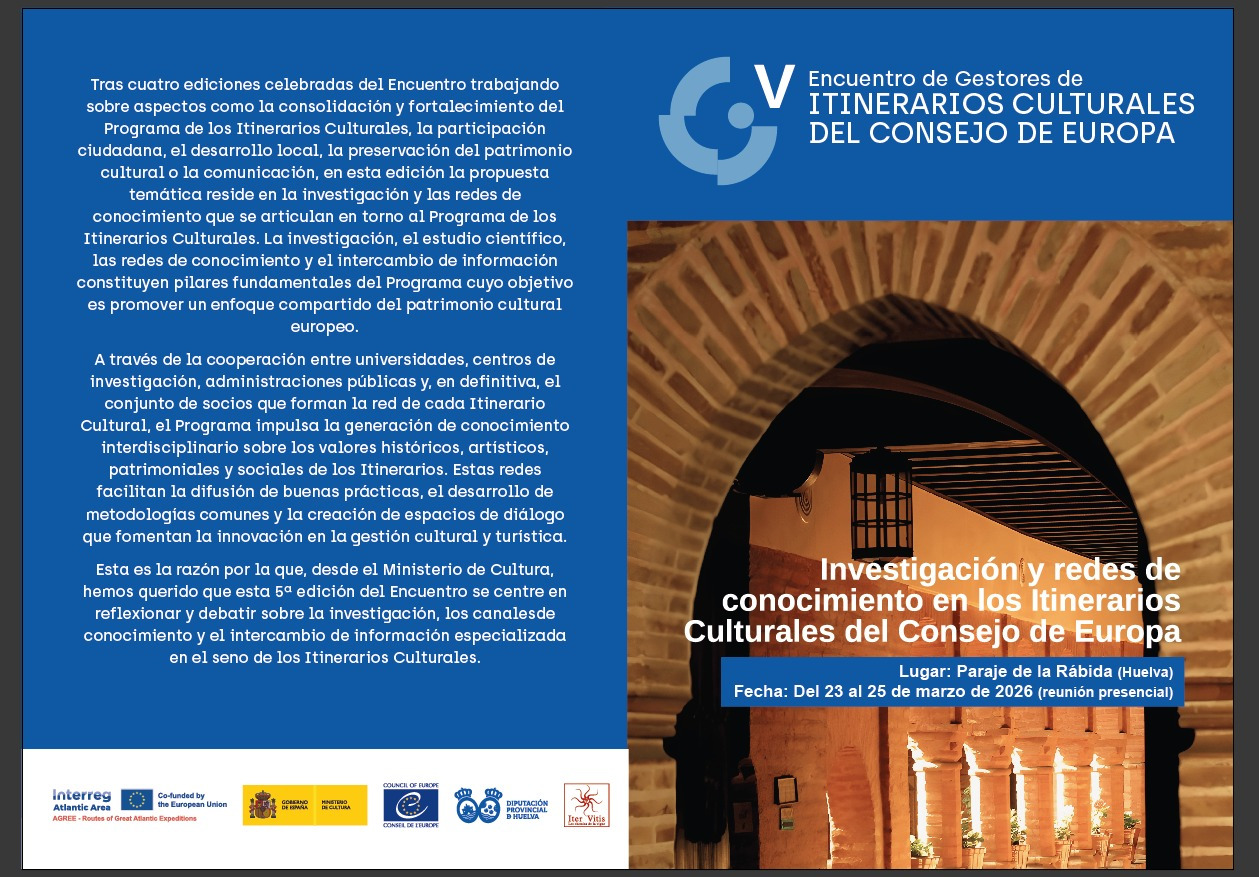
The Spanish network of Iter Vitis played a central role in the V National Meeting of Cultural Routes Managers, a key gathering that brought together representatives of all Cultural Routes crossing Spain under the framework of the Council of Europe.
Hosted in La Rábida by the Provincial Council of Huelva, this high-level meeting served as a strategic platform for exchange, cooperation, and joint reflection on the future of Cultural Routes as drivers of heritage valorisation and sustainable territorial development.
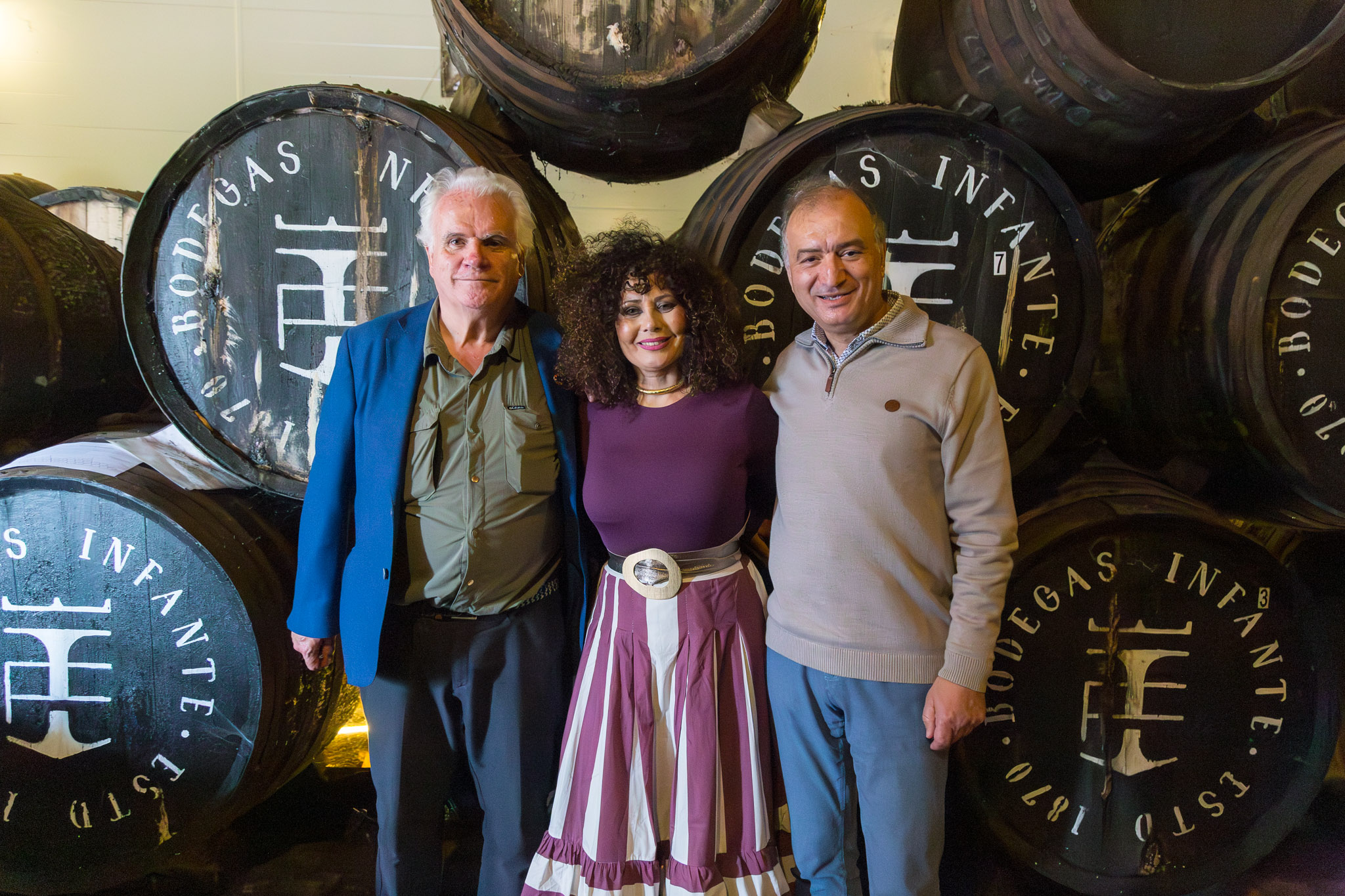
A National Platform for Cultural Routes in Spain
The meeting marked an important milestone for Spain, as it successfully convened a wide range of Cultural Routes operating across the country. Through this coordinated effort, Iter Vitis Spain contributed to strengthening dialogue among route managers, fostering synergies, and reinforcing the role of Spain as a key actor within the Cultural Routes programme of the Council of Europe.
The event also highlighted the importance of research, knowledge networks, and innovation in the development and management of Cultural Routes—key themes that resonate strongly with the mission of Iter Vitis.
Presentation of the AGREE Project: A New Atlantic Cultural Route
A major highlight of the meeting was the presentation of the AGREE – Atlantic Great Explorations project, introduced by the Provincial Council of Huelva.
This ambitious initiative aims to create a new Cultural Route of the Council of Europe focused on the great Atlantic maritime expeditions between the 15th and 18th centuries.
Funded by the European Regional Development Fund (ERDF) through the Interreg Atlantic Area Programme, the project represents a €2.38 million investment, co-financed at 75%, and involves a transnational partnership of 11 organisations from Spain, Portugal, France, and Ireland.
The initiative seeks to establish a shared Atlantic network that connects key historical sites—from the Columbian Places in Huelva to maritime towns such as Sines and Lagos—highlighting a common European identity shaped by exploration, navigation, and cultural exchange.
Innovation and Interpretation: Engaging New Generations
Beyond historical research, the AGREE project introduces a forward-looking approach to heritage interpretation. Planned pilot actions, such as the development of an interactive museographic experience in La Rábida, will incorporate digital tools, gaming, and immersive storytelling to engage wider audiences, especially younger generations.
This innovative direction aligns closely with Iter Vitis’ own commitment to combining heritage preservation with contemporary cultural experiences.
Strengthening European Cooperation through Iter Vitis
The presentation also underlined the strong connection between AGREE and Iter Vitis, as the Provincial Council of Huelva actively contributes to the Iter Vitis network at national level.
This collaboration enables the creation of cross-route synergies, reinforcing the importance of networking among Cultural Routes to enhance visibility, exchange best practices, and support the recognition of new routes at European level.
Cultural Routes as Drivers of Territorial Development
The V National Meeting confirmed once again that Cultural Routes are not only instruments for heritage promotion, but also powerful tools for:
- sustainable tourism development
- regional cooperation
- community engagement
- cultural identity building
By bringing together stakeholders from across Spain, Iter Vitis Spain reaffirmed its role as an active facilitator of dialogue and innovation within the Cultural Routes programme.