
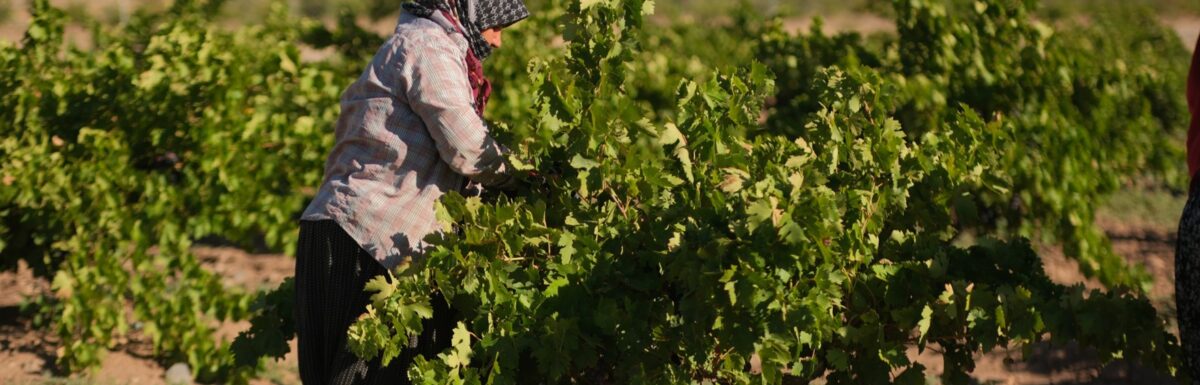
An ancient Anatolian grape from the north-western edge of the Fertile Crescent steps onto the global stage – and Iter Vitis celebrates with our Turkish partners.
Iter Vitis – Les Chemins de la Vigne en Europe is delighted to share good news from our network in Türkiye. 7 December will now be celebrated internationally as World Horos Karası Day, following its inclusion in the Grape and Wine Days calendar of WSET Global (Wine & Spirit Education Trust), one of the world’s leading references for wine education.
The initiative started two years ago in Türkiye, when local wine stakeholders declared 7 December as World Horos Karası Day. Led by Sabriye Yersel of Ni&Ce Vineyards, the promoters then began working to have the date recognised on an international platform. WSET’s continually updated calendar now lists it as “7 December – World Horos Karasi Day”, alongside the celebration days of the world’s great grape varieties.
A grape of identity and landscape
Horos Karası also known as Kilis Karası is a dark-skinned Vitis vinifera variety rooted in the provinces of Kilis and Gaziantep, in south-eastern Anatolia – a viticultural landscape lying on the north-western edge of the Fertile Crescent, one of the historic cradles of grape cultivation.
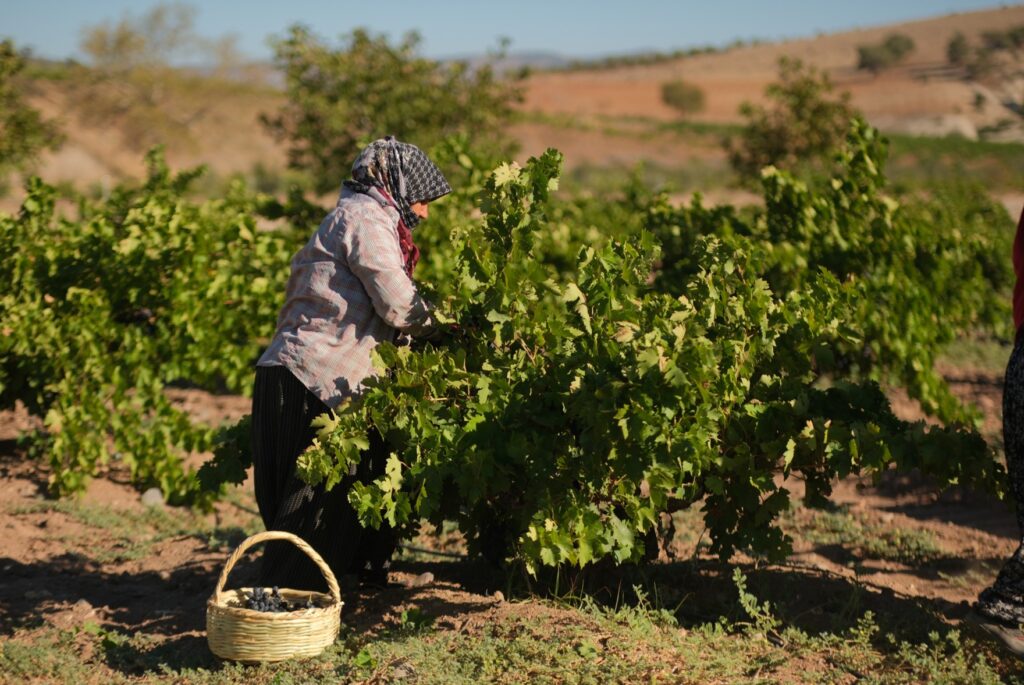
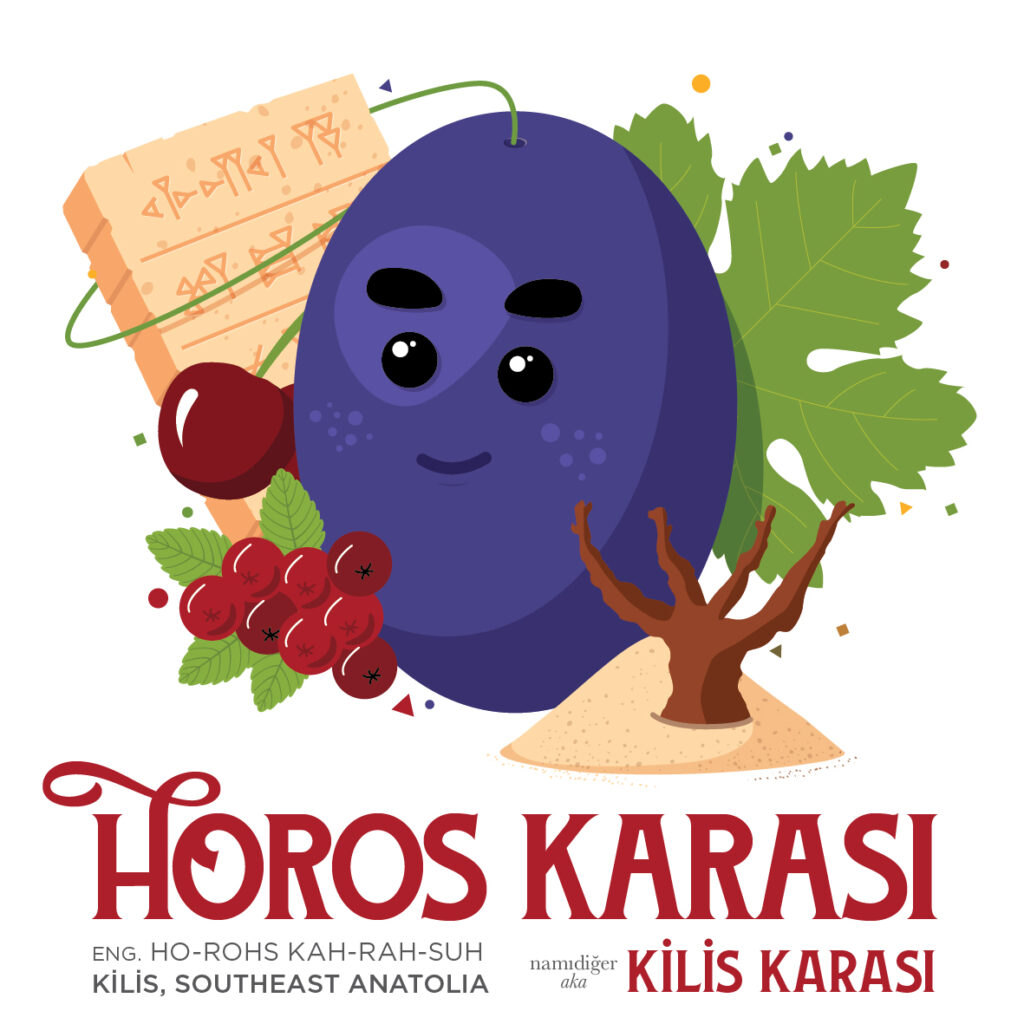
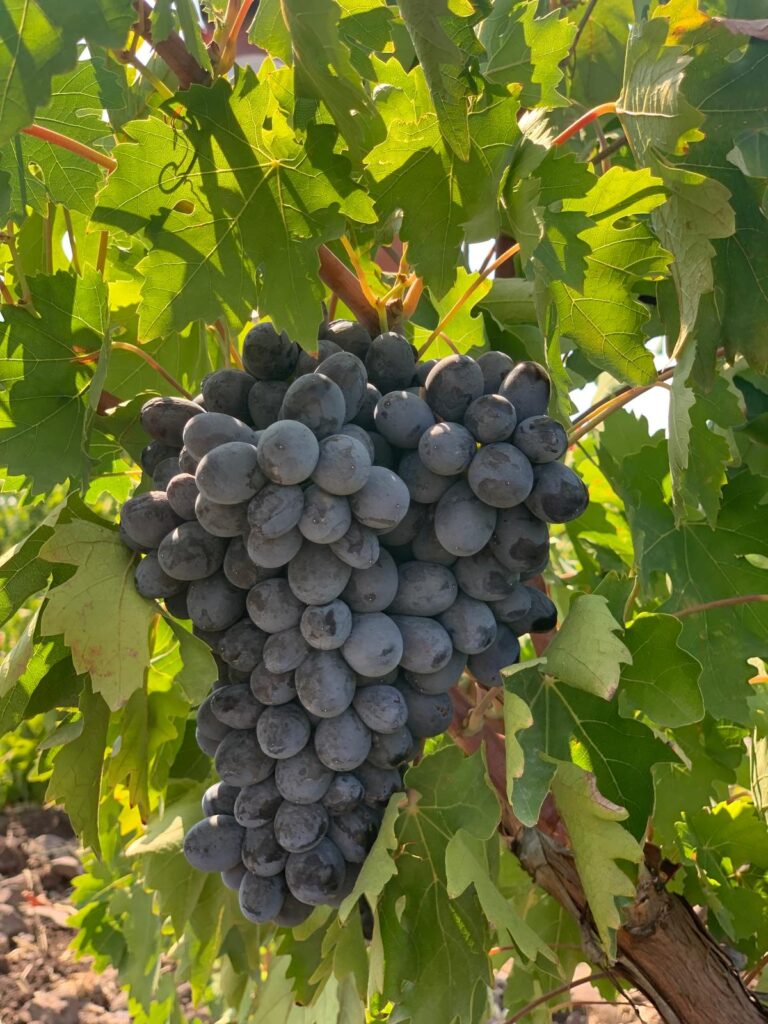
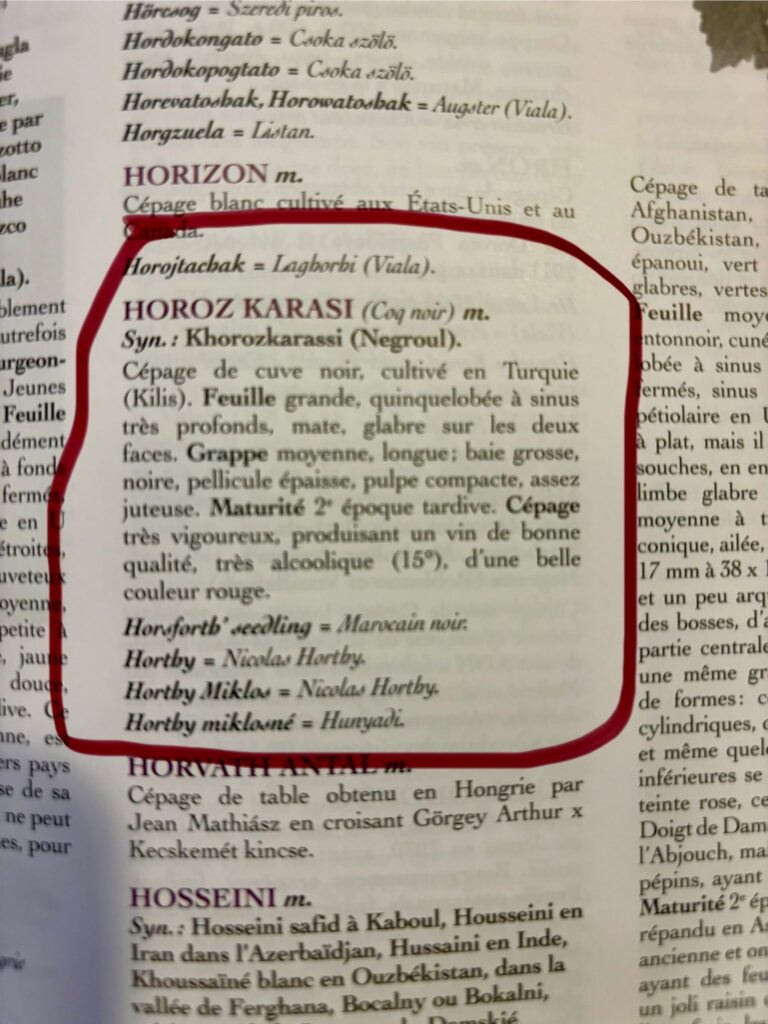
A distinct identity, confirmed by DNA. Genetic analyses carried out under the guidance of Swiss grape geneticist Dr José Vouillamoz have shown that Horos Karası (Kilis Karası) is a variety in its own right, and not the same grape as Antep Karası, with which it has often been confused. Its DNA profile matches the Horos Karası registered in the Vitis International Variety Catalogue (VIVC no. 5426) at all eight reference SSR markers, confirming a black grape native to Türkiye, used both for winemaking and as a table grape, with Horos Karası and Kilis Karası as its accepted primary names. Its quality potential was recognised long before today’s revival: the eminent French ampelographer Pierre Galet described Horos Karası as a red variety suitable for the production of high-quality wine.
For generations, Horoz Karası has shaped the local culture of the vine far beyond the wine glass: it is enjoyed fresh, dried as raisins and transformed into pekmez, the traditional grape molasses. Today it is also gaining attention as a wine grape: research by Gaziantep University found that Horoz Karası produced red wines with the highest phenolic content among the local varieties studied. The “Kilis Horoz Kara” brand has also obtained geographical indication registration, protecting the link between the grape and its territory.
Why it matters for European wine routes
Türkiye counts more than a thousand native grape varieties, yet only a few dozen are used commercially in wine production. Dedicating a day to a single autochthonous grape is a powerful tool for cultural and wine tourism: it gives a territory a story to tell, a reason to visit and a shared moment for producers, chefs, sommeliers and travellers. This is exactly the vision Iter Vitis promotes across the Cultural Route of the Council of Europe – viticultural landscapes as living heritage connecting people, places and cultures.
Join the celebration on 7 December
We invite our members, wine routes, wineries and wine lovers across Europe to raise a glass of Horoz Karası – or to discover it for the first time – and share their moments with #WorldHorosKarasiDay #HorozKarasi #HorosKarasi.
Congratulations to Sabriye Yersel, Ni&Ce Vineyards and all our Turkish friends for this achievement!
Source: WSET Global – Grape and Wine Days Calendar (wsetglobal.com).